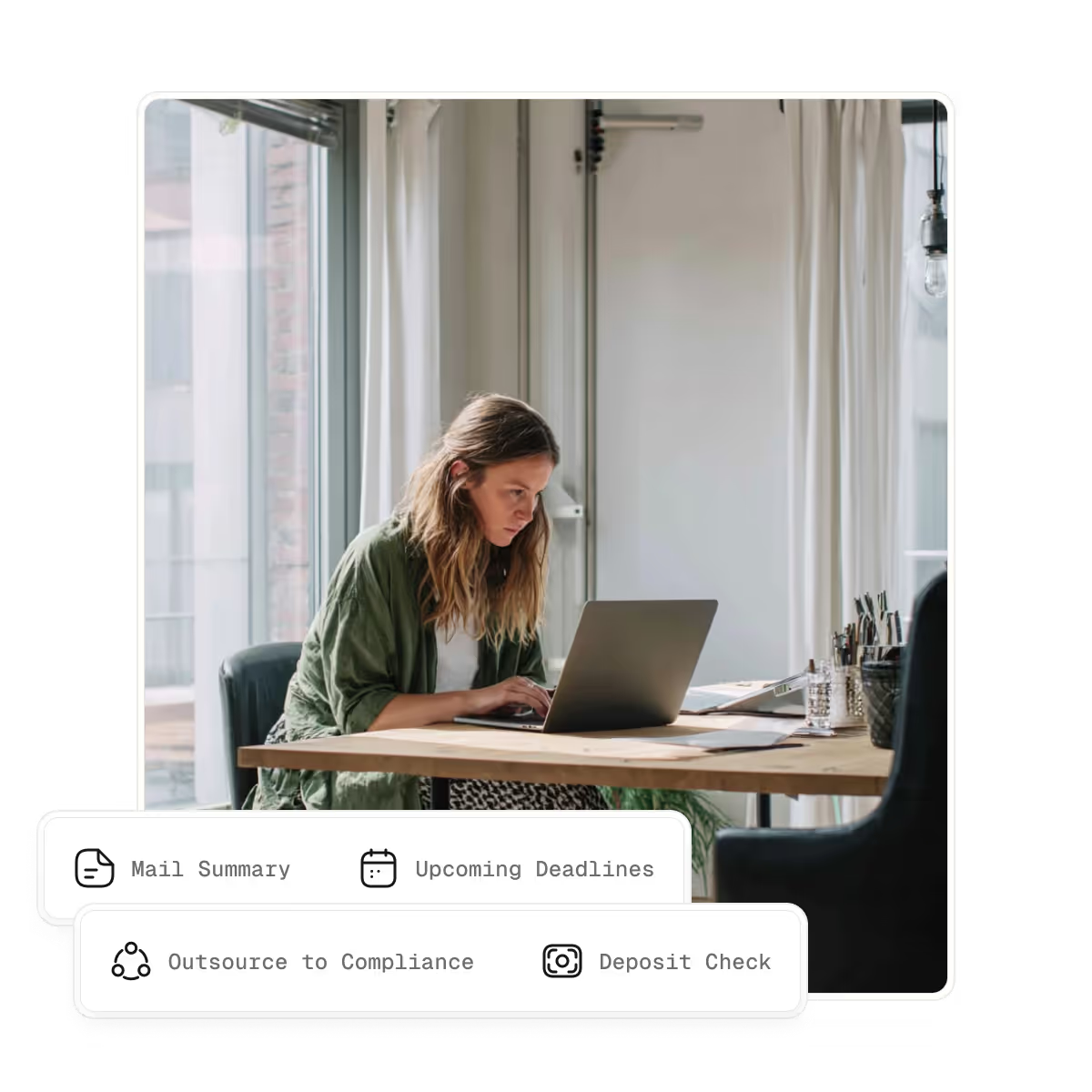

Secure document receipt
Recieve critical legal documents like lawsuits and tax notices without compromising your private address.

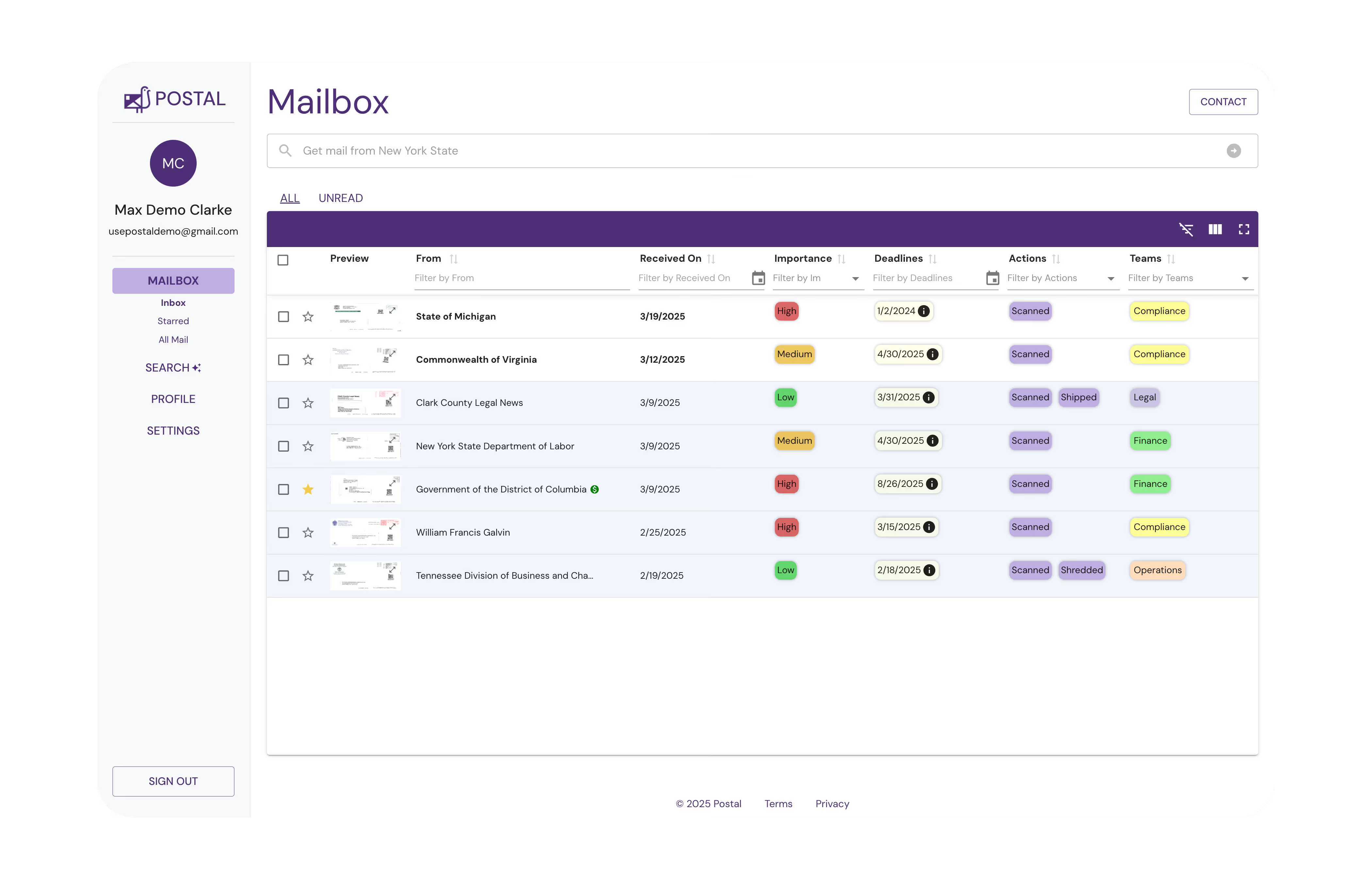
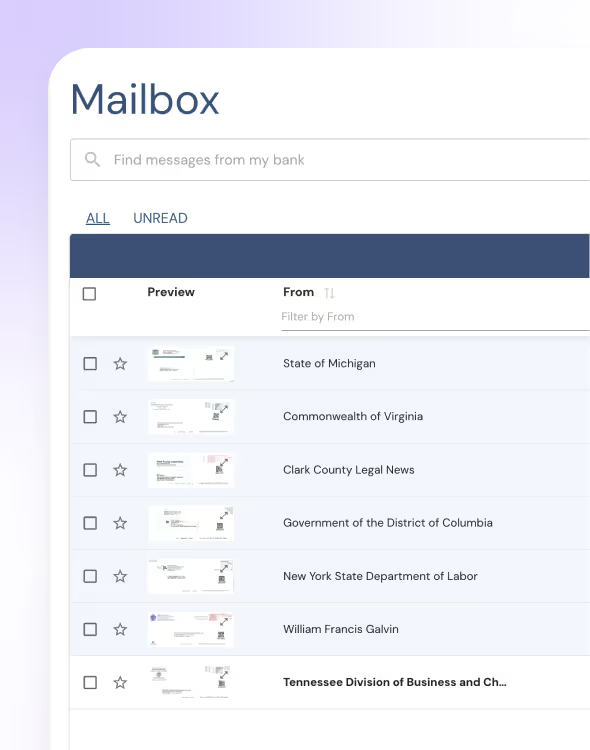
Access your mail online
See and manage your mail from anywhere. Get notifications for due dates and required actions for all your critical mail.

Automate compliance tasks
Stay focused and save time by handing off your compliance tasks to Postal's team of compliance experts.
584 Castro St,
San Francisco, CA 94114

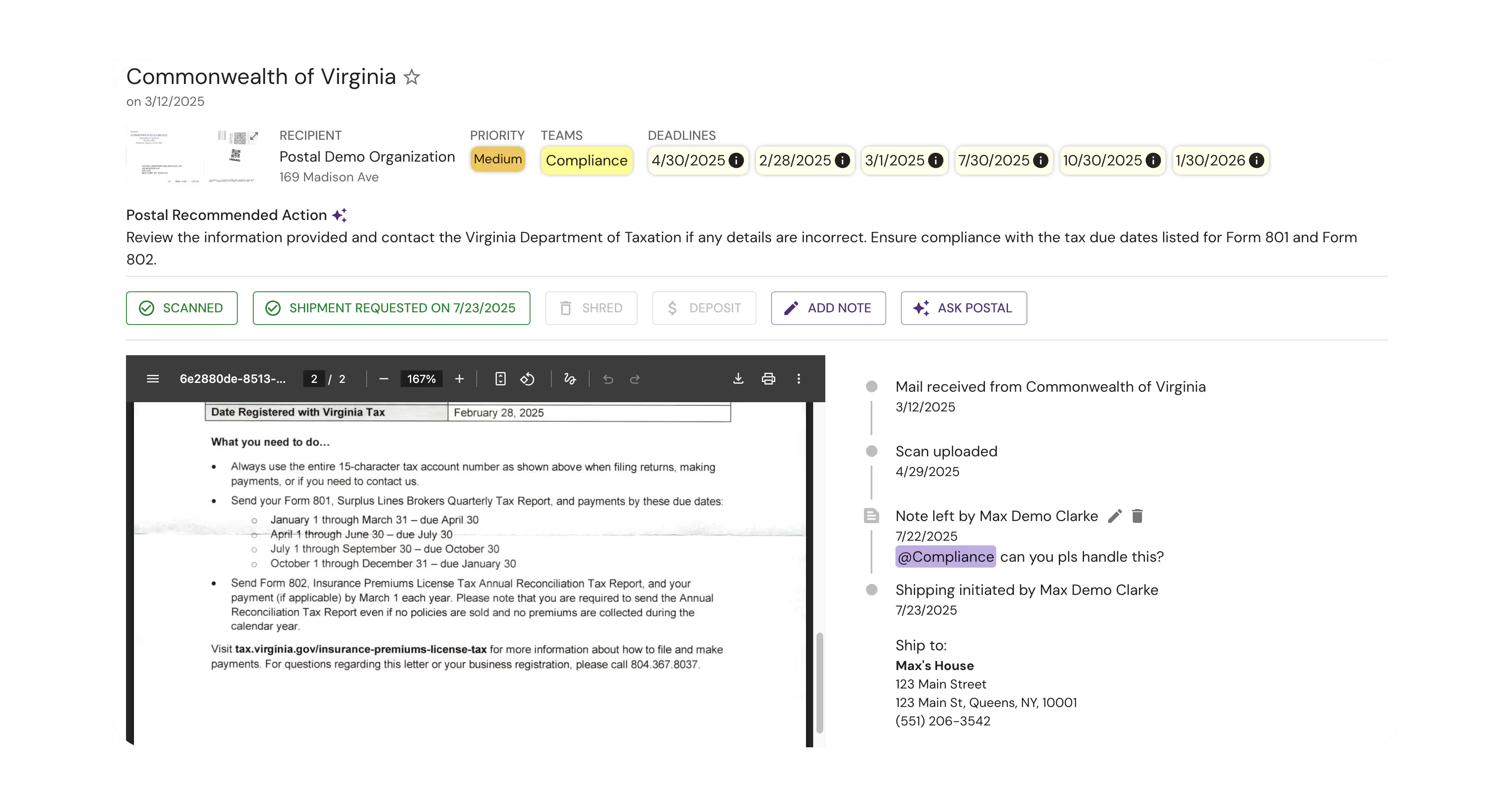
See deadlines at a glance
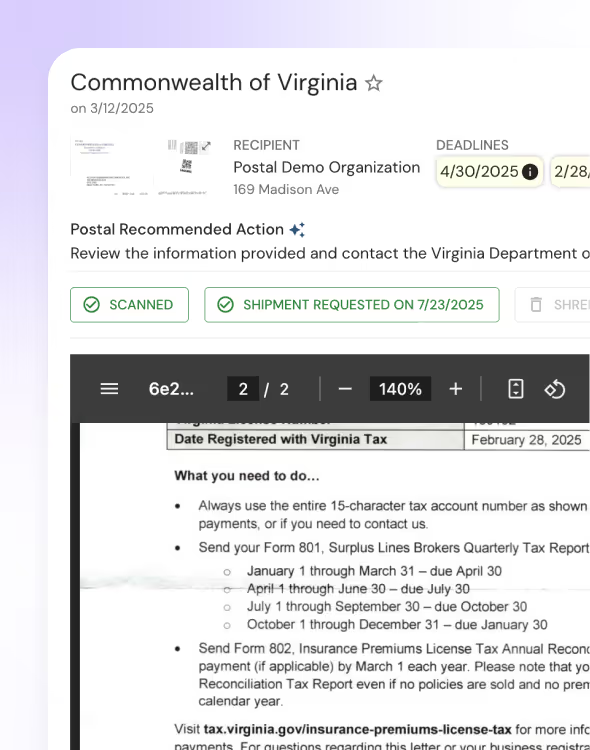
Postal’s advanced AI gives you an instant overview of all your compliance-related mail with next steps flagged for you.
- Due dates, penalties, and action extracted for you by AI.
- All your correspondence summarized and stored online.
- The right teammate notified every time mail is received.

Leave service of process to us
Hand off your compliance tasks to Postal with ease. Simply tag the Postal compliance team and they’ll make sure your compliance tasks and filings are handled accurately and on time.
- Stay compliant with changing laws and regulations
- Specialized in corporate licensing and insurance compliance
- Focus on your business and leave compliance to Postal

Secure and private mail handling
Protect your data with a secure virtual mailbox from Postal. Stringent security ensures that your data is encrypted, redacted when needed, and access controlled.
- Your data is protected at rest and in transit, so it’s never exposed as it moves through our systems.
- Postal runs redaction models on extracted text from documents, limiting the scope of data that large language models use to analyze your documents.
- Only the people who need it can reach your data, every action is logged, and everything is backed up to prevent data loss.

All corporations, LLCs, and limited partnerships operating in California must designate a registered agent. This agent is responsible for receiving your legal documents, tax notices, and official correspondence on behalf of your business.
Your registered agent must have a physical street address in California and cannot be a PO Box. You can appoint an individual resident or a professional registered agent service, but in either case their must be someone present at the address to receive mail during business hours.

When choosing between California registered agents, compare their reliability, ease of use, and customer support. Most importantly, evaluate whether they offer deadline alerts, privacy protection, and online document access.
Prices can vary dramatically between providers with some charging several hundred dollars a year. Look critically at what providers offer for the price and ensure your chosen service is offering you real value for money.
California leads the country with over 4,340,000 small businesses, more than any other state by a wide margin. About 80.7 percent of them operate with no employees, a couple of points below the national average, suggesting the state carries a somewhat larger share of small businesses that actually employ staff.
The state's reputation as a small business destination is built on its sheer scale and diversity, from the technology corridor running through the Bay Area to the entertainment industry centered in Los Angeles and the agricultural economy of the Central Valley. San Francisco and San Jose in particular have long attracted small firms working in software, biotech, and professional services.
Forming a business in California involves choosing an LLC or corporation and filing with the California Secretary of State. You then take care of any city or county business licenses and apply to the IRS for an Employer Identification Number.
California corporations file a Statement of Information annually, with reports due within a six-month window tied to the month of registration, while LLCs file the same form but only every two years, within 90 days of registration and then biennially after that. Foreign corporations and LLCs follow the same respective schedules as their domestic counterparts.
Corporations pay $25 for the filing, while LLCs pay $20. Both face a $250 penalty for filing late, and continued noncompliance can lead to suspension by the Franchise Tax Board for corporations or forfeiture of rights for LLCs.

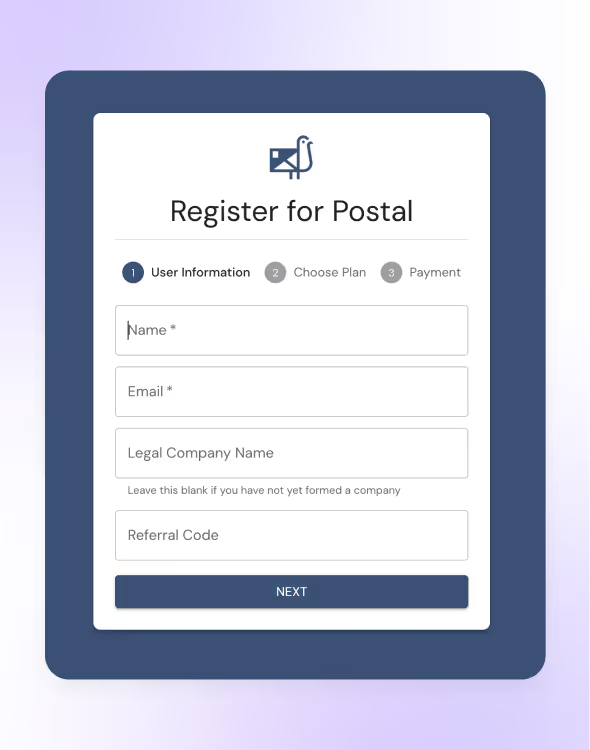
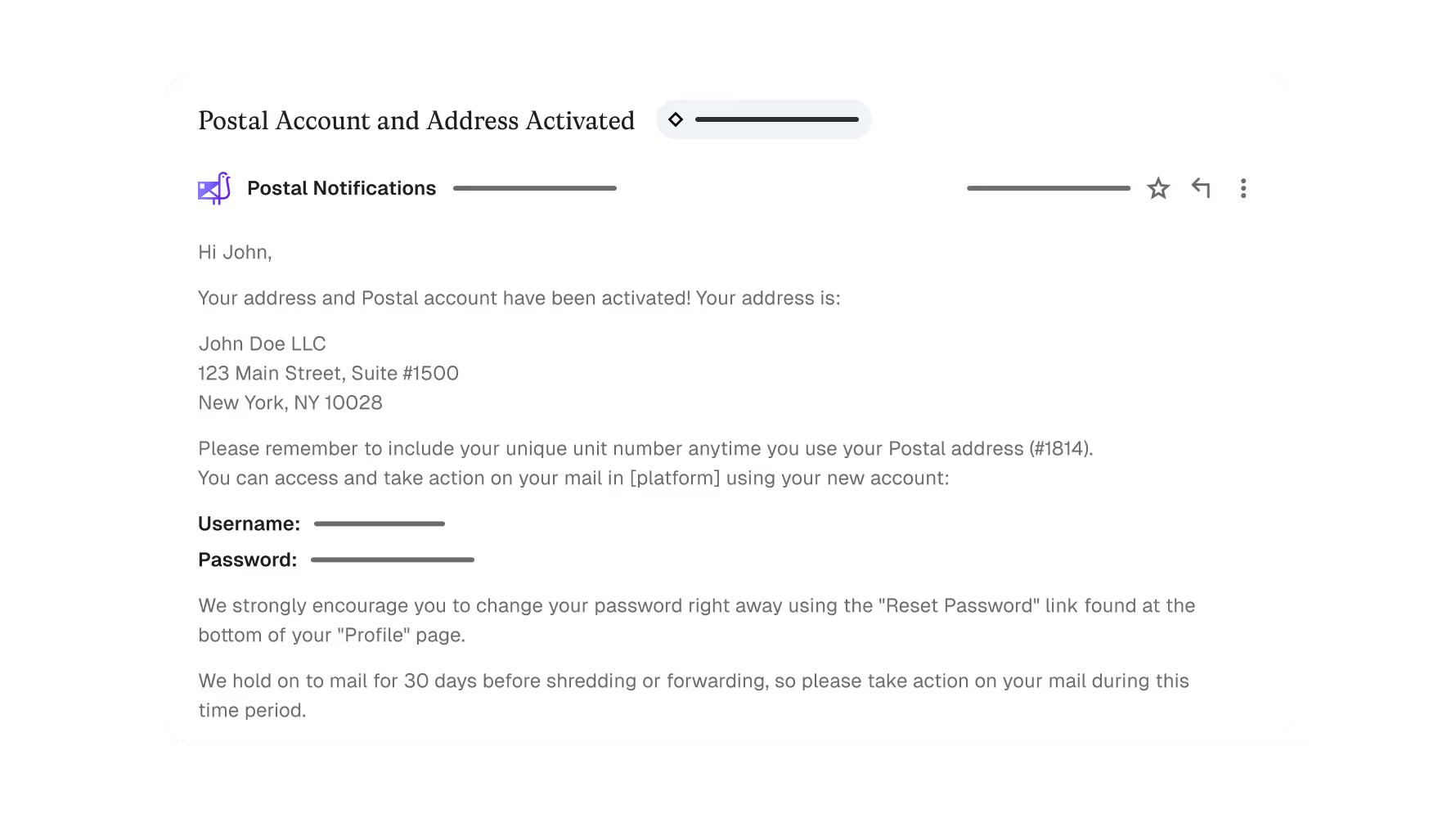
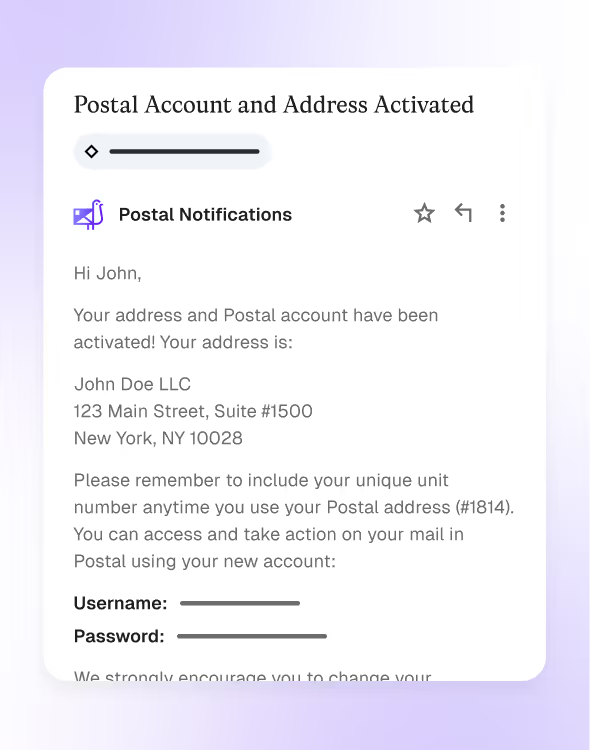
Manage your mail from anywhere
Receive scanned, summarized copies of your mail the day it’s received.
Put compliance on autopilot
If you need it, we’ll action your service of process mail for you.
How does California's filing differ between corporations and LLCs?
What does it cost to file in California?
What's the penalty for a late filing?
How dominant is California's small business economy?
What makes California's business landscape so varied?
Where do I file to form a California business?
Available in all 50 states


- Security compliant
- Change of address guidance
- Friendly customer support