

Secure document receipt
Recieve critical legal documents like lawsuits and tax notices without compromising your private address.

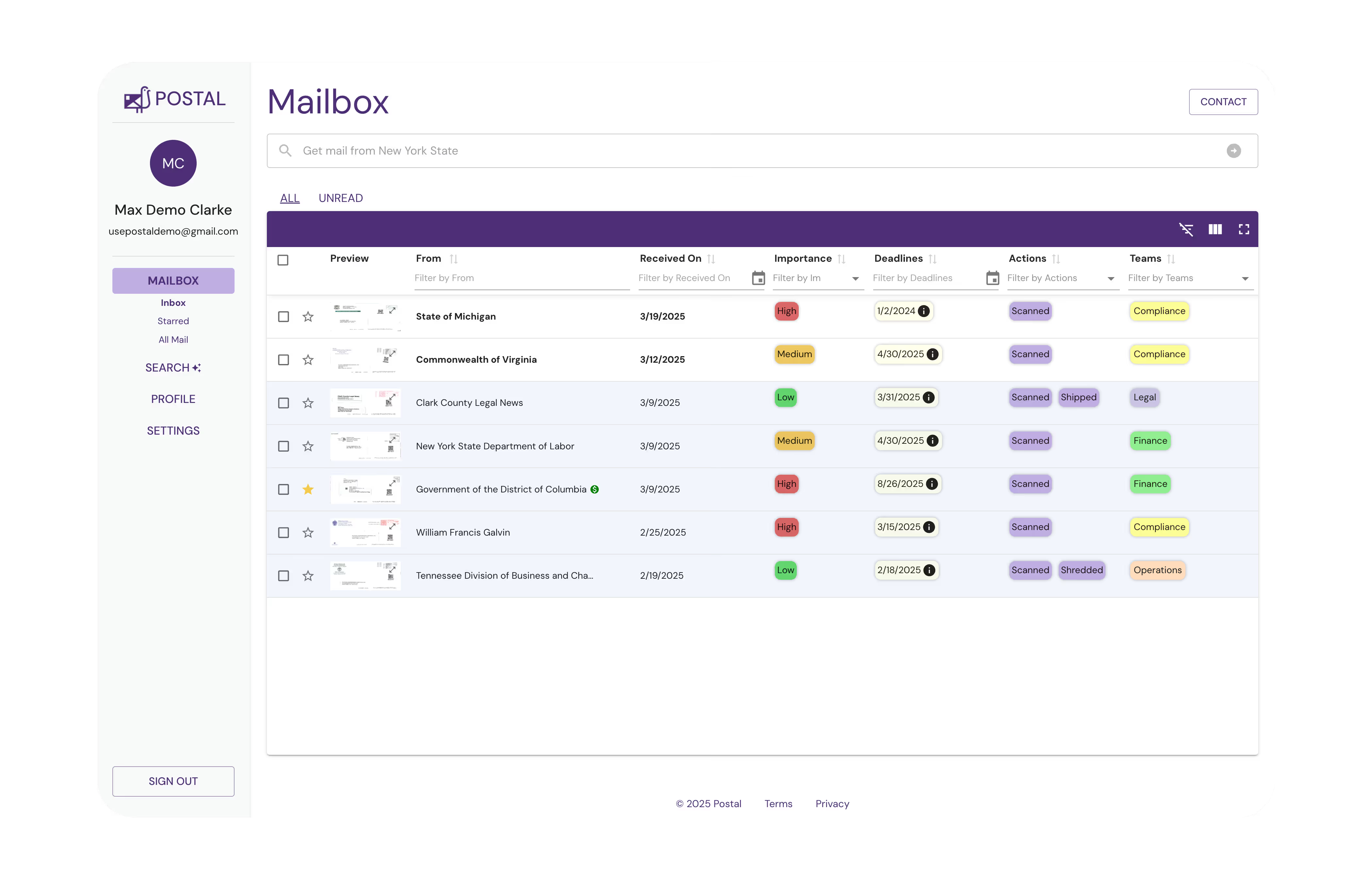
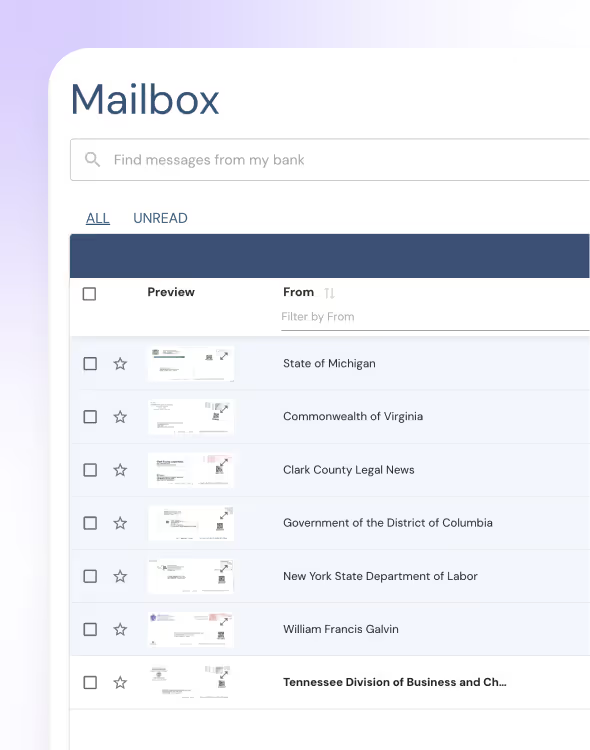
Access your mail online
See and manage your mail from anywhere. Get notifications for due dates and required actions for all your critical mail.

Automate compliance tasks
Stay focused and save time by handing off your compliance tasks to Postal's team of compliance experts.
8520 Allison Pointe Blvd #220,
Indianapolis, IN 46250

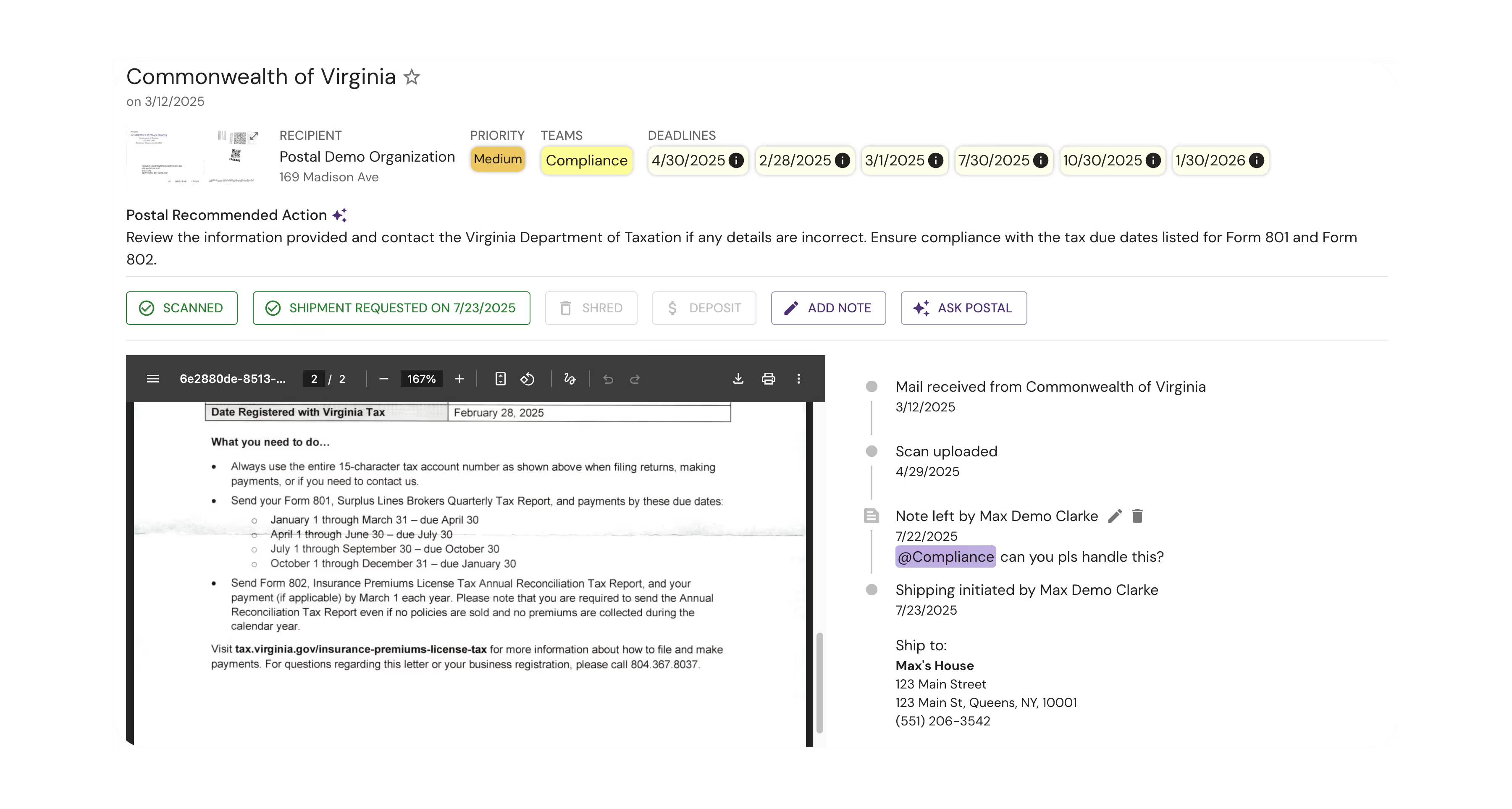
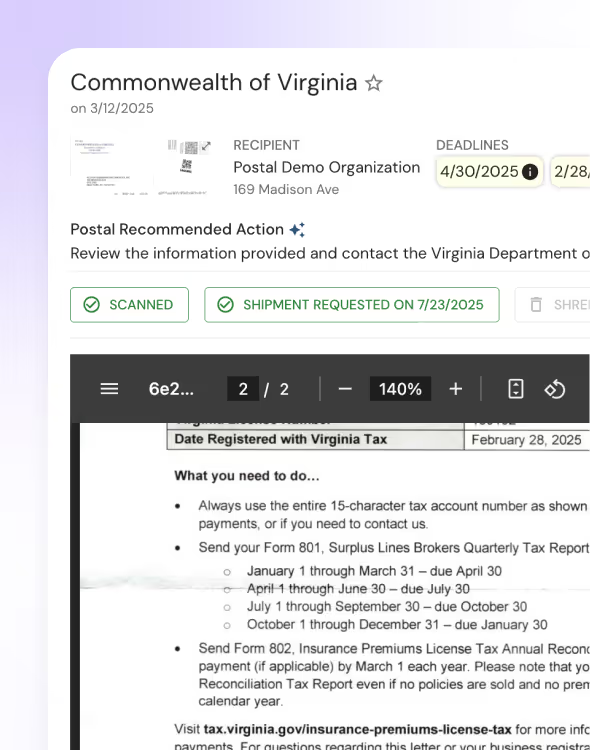
See deadlines at a glance
Postal’s advanced AI gives you an instant overview of all your compliance-related mail with next steps flagged for you.
- Due dates, penalties, and action extracted for you by AI.
- All your correspondence summarized and stored online.
- The right teammate notified every time mail is received.

Leave service of process to us
Hand off your compliance tasks to Postal with ease. Simply tag the Postal compliance team and they’ll make sure your compliance tasks and filings are handled accurately and on time.
- Stay compliant with changing laws and regulations
- Specialized in corporate licensing and insurance compliance
- Focus on your business and leave compliance to Postal

Secure and private mail handling
Protect your data with a secure virtual mailbox from Postal. Stringent security ensures that your data is encrypted, redacted when needed, and access controlled.
- Your data is protected at rest and in transit, so it’s never exposed as it moves through our systems.
- Postal runs redaction models on extracted text from documents, limiting the scope of data that large language models use to analyze your documents.
- Only the people who need it can reach your data, every action is logged, and everything is backed up to prevent data loss.

In Indiana, having a registered agent is a legal requirement for businesses, including corporations and limited liability companies (LLCs). A registered agent acts as an official point of contact for receiving important legal documents, such as service of process, tax notices, and compliance information. This ensures that your business can effectively handle any legal matters that arise, helping to maintain good standing with the state.
Additionally, a registered agent provides a layer of privacy for business owners by keeping their personal addresses out of public records. This can protect the owner’s personal information, while ensuring that the business remains accessible to the state and other entities. Overall, appointing a registered agent is crucial for administrative organization and legal compliance.

When selecting a registered agent in Indiana, affordability is a primary consideration. Compare the fees of various agents to ensure that their services fit within your budget. Some providers may offer low initial costs but charge hidden fees for essential services, so it's crucial to read the fine print and understand the overall pricing structure.
Security is another critical factor. A registered agent should provide a secure location for receiving legal documents, protecting your business from potential breaches. Look for agents that have a solid reputation and use secure technology for document handling, ensuring that sensitive information is managed safely.
Lastly, the ability to access your mail online is increasingly important. Choose a registered agent that offers a user-friendly online portal, allowing you to view and manage your documents in real time. This feature enhances convenience and ensures that you stay informed about important communications without delays.
Indiana's business base runs to over 591,000 small businesses, with about 81.3 percent solo and no employees, a touch under the national average.
The state's central location and extensive highway and rail network have made it a natural hub for logistics and manufacturing, supporting a wide base of smaller suppliers and distribution firms. Indianapolis serves as the commercial and government center, while the state's relatively low cost of living has helped small businesses attract and retain workers more easily than in pricier neighboring markets.
Starting a business in Indiana is simple. Choose an LLC or corporation, file with the Indiana Secretary of State, then line up local licenses and get an Employer Identification Number from the IRS.
Indiana uses the term Business Entity Report rather than annual report, and it applies to corporations and LLCs alike, with reports due by the last day of the entity's anniversary month, but only every two years rather than annually. Foreign corporations and LLCs file on the same biennial schedule as domestic entities.
The fee is $32 online or $50 by paper. Missing the filing brings administrative dissolution, with a relatively modest $30 fee to reinstate.

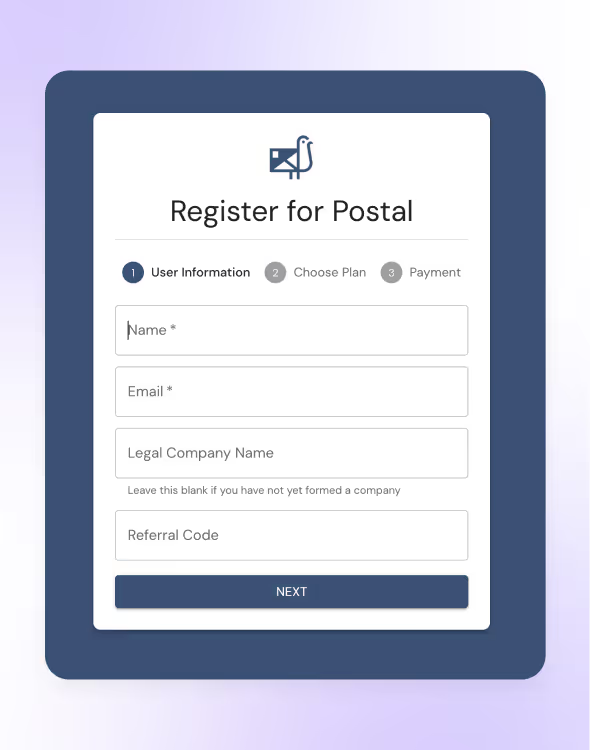
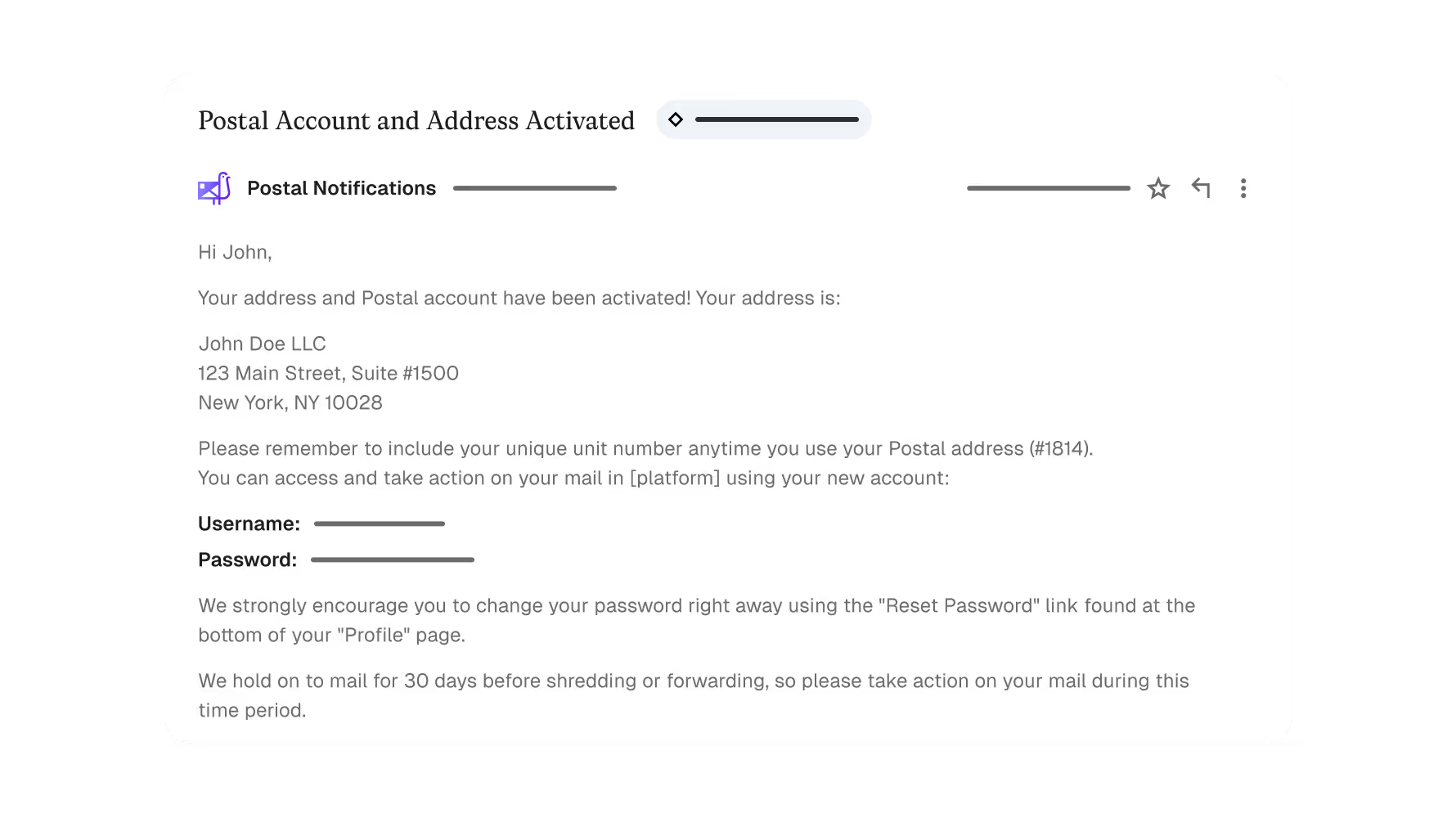
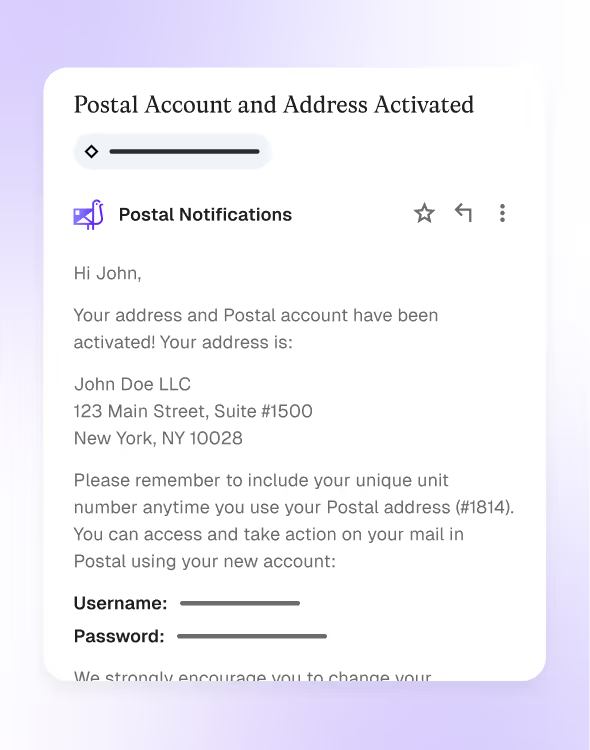
Manage your mail from anywhere
Receive scanned, summarized copies of your mail the day it’s received.
Put compliance on autopilot
If you need it, we’ll action your service of process mail for you.
How often do Indiana businesses need to file?
What does it cost to file and reinstate in Indiana?
Why is Indiana popular with logistics and distribution businesses?
How does Indiana's cost of living affect small businesses?
What share of Indiana's small businesses are solo operations?
What's the registration process for an Indiana business?
Available in all 50 states



- Security compliant
- Change of address guidance
- Friendly customer support