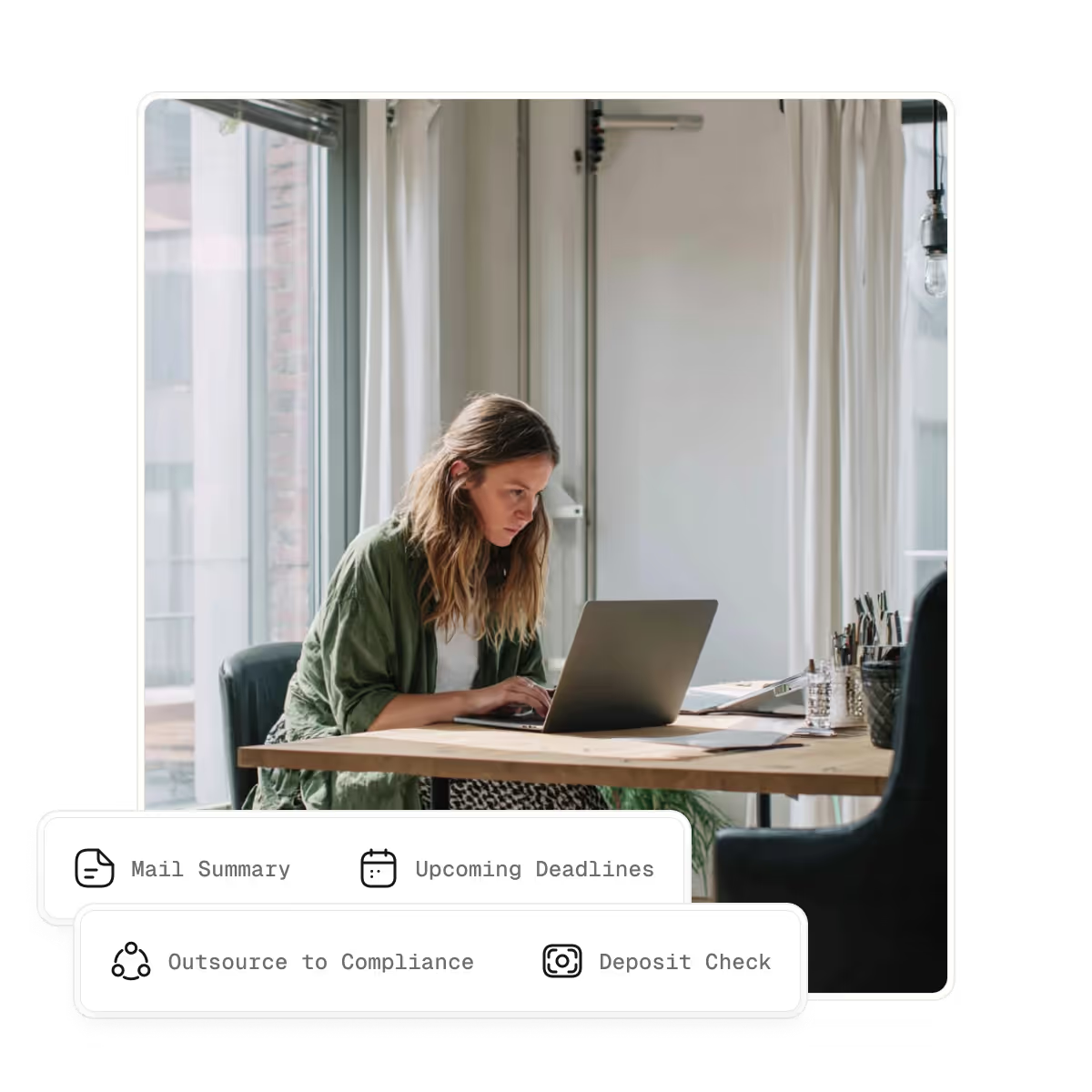

Secure document receipt
Recieve critical legal documents like lawsuits and tax notices without compromising your private address.

Access your mail online
See and manage your mail from anywhere. Get notifications for due dates and required actions for all your critical mail.

Automate compliance tasks
Stay focused and save time by handing off your compliance tasks to Postal's team of compliance experts.
6650 Rivers Avenue,
North Charleston, SC 29406

See deadlines at a glance
Postal’s advanced AI gives you an instant overview of all your compliance-related mail with next steps flagged for you.
- Due dates, penalties, and action extracted for you by AI.
- All your correspondence summarized and stored online.
- The right teammate notified every time mail is received.

Leave service of process to us
Hand off your compliance tasks to Postal with ease. Simply tag the Postal compliance team and they’ll make sure your compliance tasks and filings are handled accurately and on time.
- Stay compliant with changing laws and regulations
- Specialized in corporate licensing and insurance compliance
- Focus on your business and leave compliance to Postal

Secure and private mail handling
Protect your data with a secure virtual mailbox from Postal. Stringent security ensures that your data is encrypted, redacted when needed, and access controlled.
- Your data is protected at rest and in transit, so it’s never exposed as it moves through our systems.
- Postal runs redaction models on extracted text from documents, limiting the scope of data that large language models use to analyze your documents.
- Only the people who need it can reach your data, every action is logged, and everything is backed up to prevent data loss.

In South Carolina, having a registered agent is a legal requirement for businesses, including corporations and LLCs. A registered agent serves as the official point of contact between the business and the state, receiving important legal documents such as service of process, tax notices, and compliance paperwork. This ensures that the business remains informed about its legal obligations and can respond promptly to any legal actions or correspondence.
Additionally, a registered agent provides privacy and stability for business owners. By designating a professional or service as the registered agent, owners can keep their personal addresses confidential and avoid the risk of being served legal documents in public settings. This arrangement helps businesses maintain compliance and fosters a professional image, allowing them to focus on operational aspects without the distraction of managing legal correspondence.

When selecting a registered agent in South Carolina, affordability is a key factor. Look for providers that offer transparent pricing with no hidden fees. Consider the value provided in relation to the cost; some agents may include additional services, such as compliance notifications, which can enhance your overall experience at a reasonable price.
Security is paramount, as your registered agent will handle sensitive legal documents. Choose a service with a strong reputation for reliability, ensuring that they have robust privacy measures and secure handling procedures in place. Researching reviews and testimonials can help you gauge their trustworthiness and service quality.
The ability to view your mail online is another crucial feature. Many registered agents offer digital platforms that allow you to access important documents securely and conveniently. This feature not only streamlines your business operations but also ensures that you stay on top of essential filings and communications without delay.
South Carolina is home to over 530,000 small businesses. Some 83 percent of them have no employees, a bit above the national average, so solo owners and contractors are a big part of the scene.
The state has drawn significant manufacturing investment in recent decades, with companies like BMW and Boeing establishing major plants that have, in turn, supported a wide network of smaller parts suppliers and service firms. Charleston has also developed a notable tourism and hospitality economy along the coast.
To set up a business you choose an LLC or corporation and file with the South Carolina Secretary of State. From there, sort out local permits and pull an Employer Identification Number from the IRS.
South Carolina handles its filing unusually: rather than a standalone report with the Secretary of State, corporations file an Annual Report as Schedule D of their corporate tax return through the Department of Revenue, with reports due by the 15th day of the fourth month after fiscal year end for C corporations (typically April 15) or the third month for S corporations (typically March 15). LLCs are exempt from this requirement entirely, unless the LLC has elected to be taxed as a corporation, in which case the same rule applies. Foreign corporations file the identical report on the same schedule, and foreign LLCs taxed as corporations follow suit.
There's no separate filing fee, since it's bundled into the tax return itself. Failing to file can trigger administrative dissolution proceedings, though the state allows a 60-day cure period after sending notice.

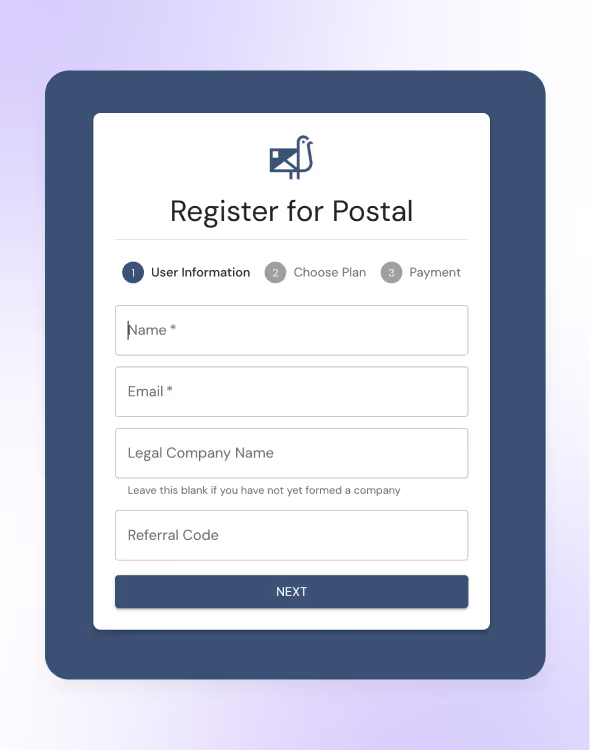
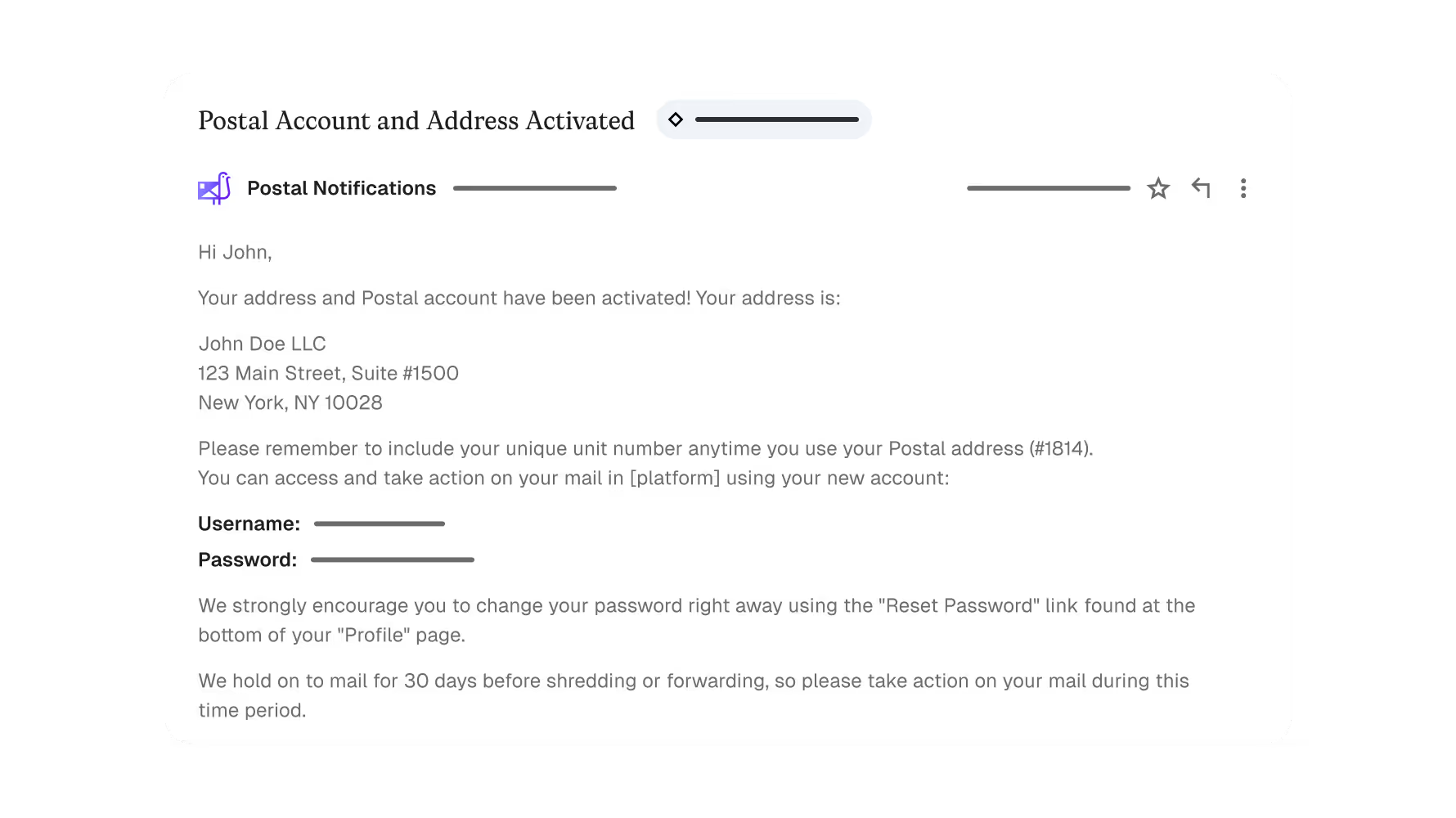
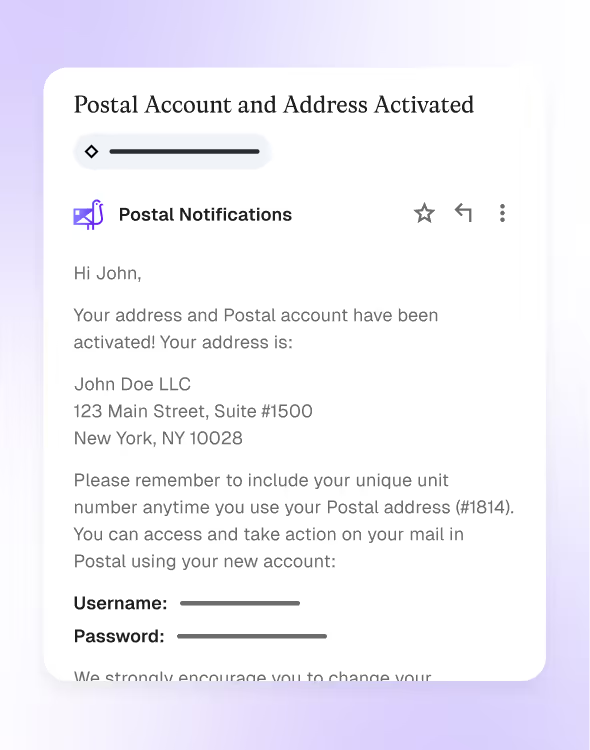
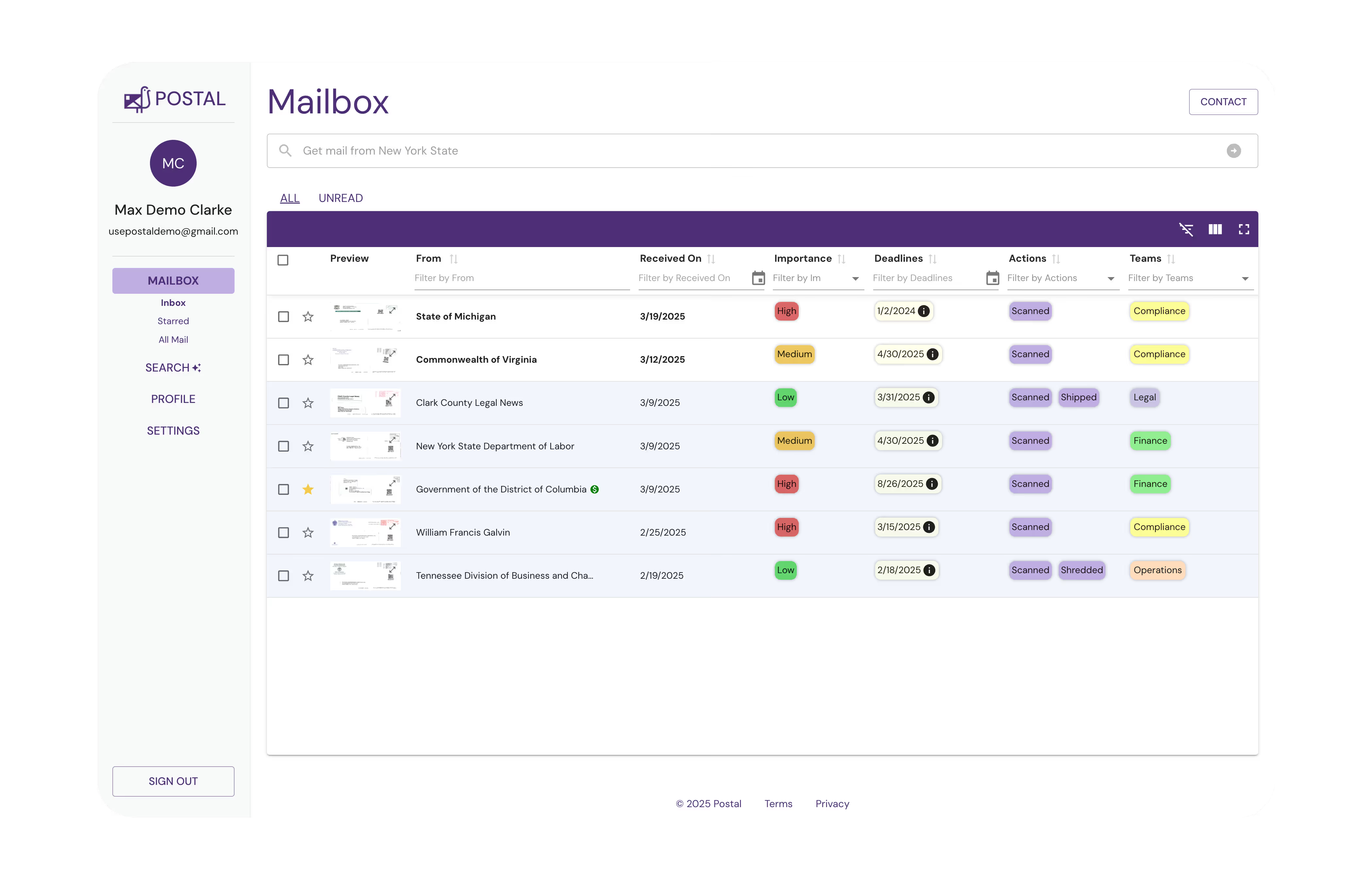
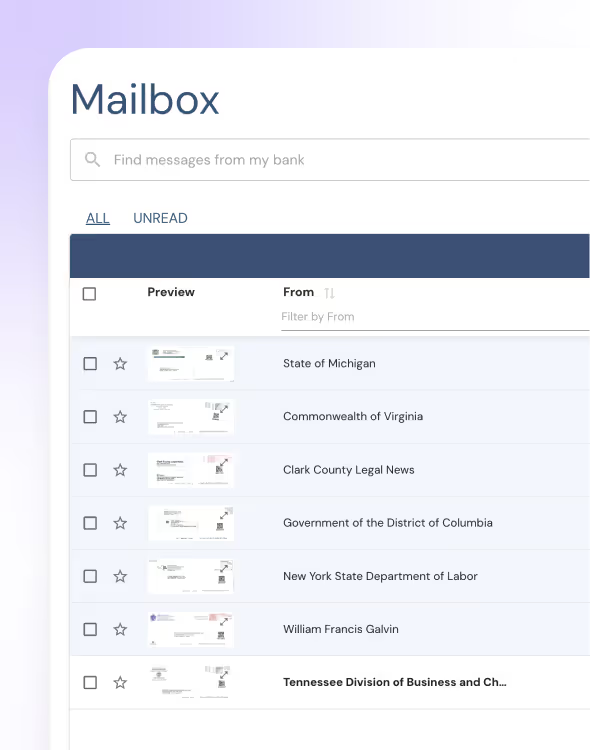
Manage your mail from anywhere
Receive scanned, summarized copies of your mail the day it’s received.
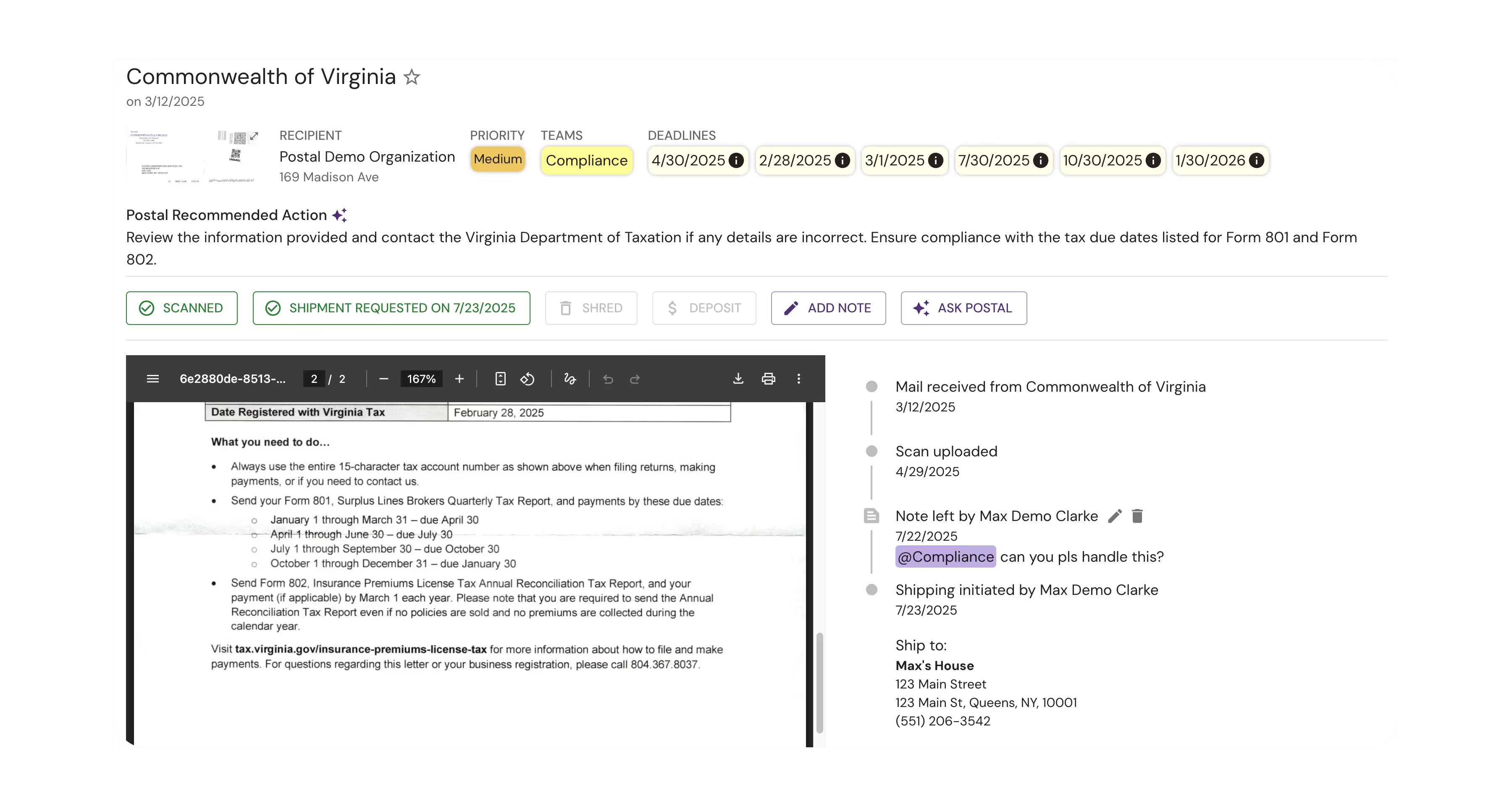
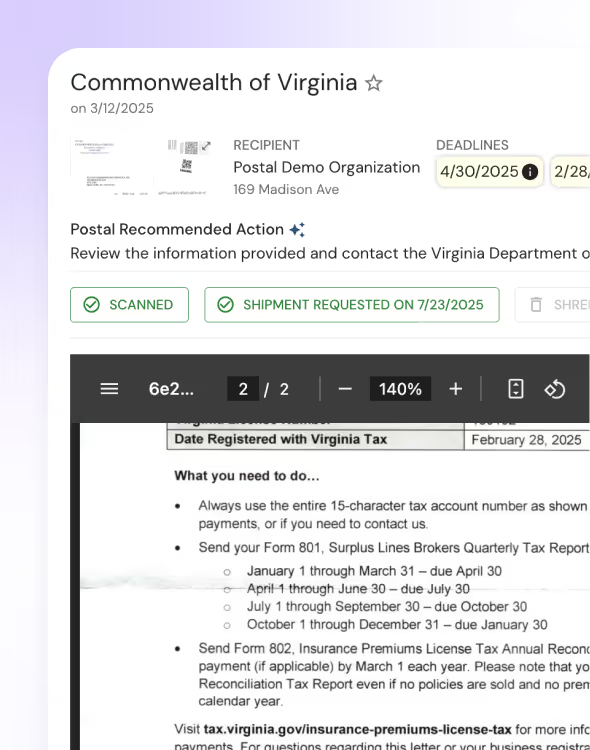
Put compliance on autopilot
If you need it, we’ll action your service of process mail for you.
How does South Carolina handle its annual report differently from other states?
Are South Carolina LLCs required to file an annual report?
When is the report due?
What happens if a South Carolina business doesn't file?
What manufacturing presence shapes South Carolina's economy?
How do I register a business in South Carolina?
Available in all 50 states



- Security compliant
- Change of address guidance
- Friendly customer support