

Secure document receipt
Recieve critical legal documents like lawsuits and tax notices without compromising your private address.

Access your mail online
See and manage your mail from anywhere. Get notifications for due dates and required actions for all your critical mail.

Automate compliance tasks
Stay focused and save time by handing off your compliance tasks to Postal's team of compliance experts.
28175 Haggerty Road,
Novi, MI 48377

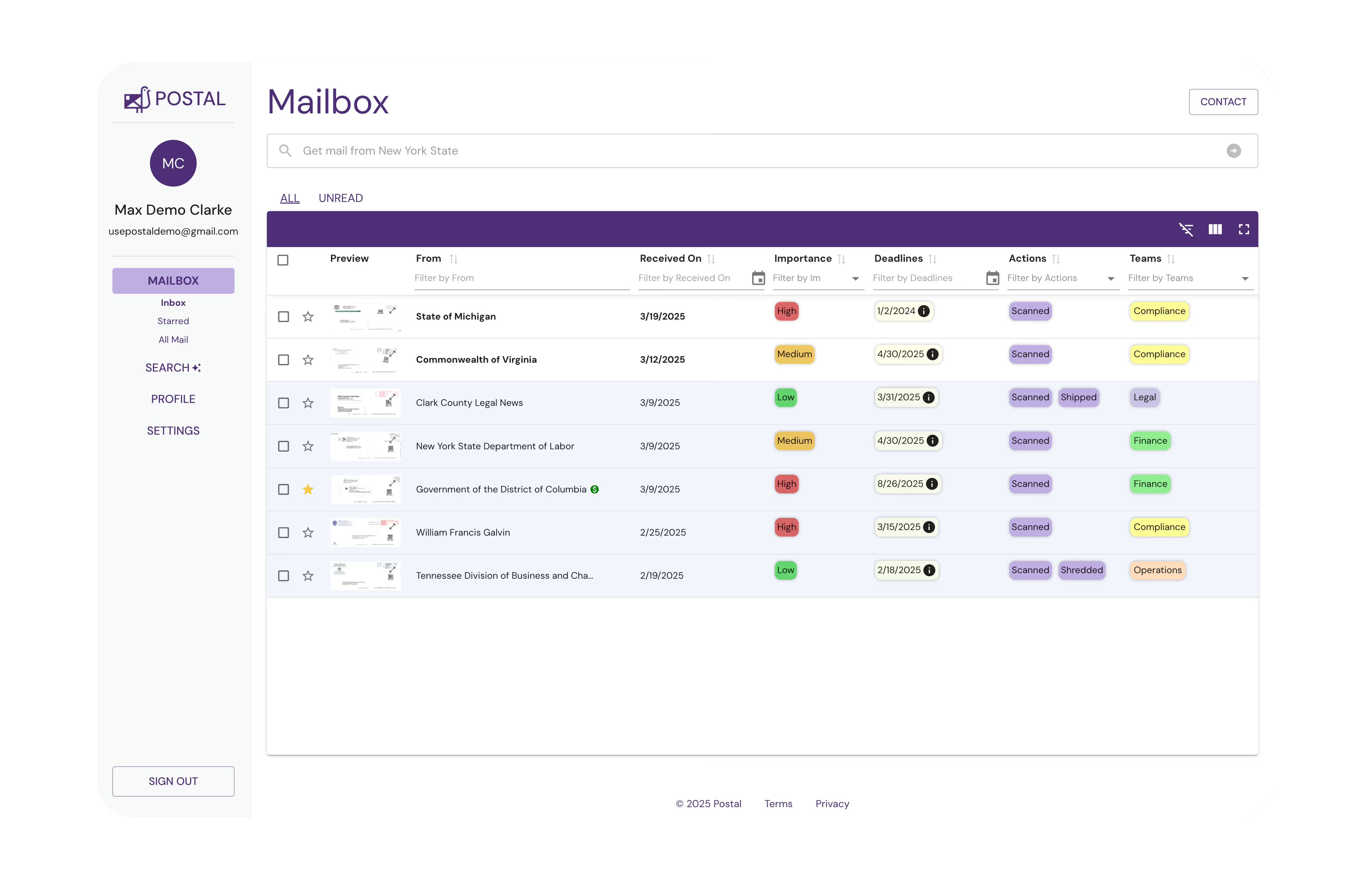
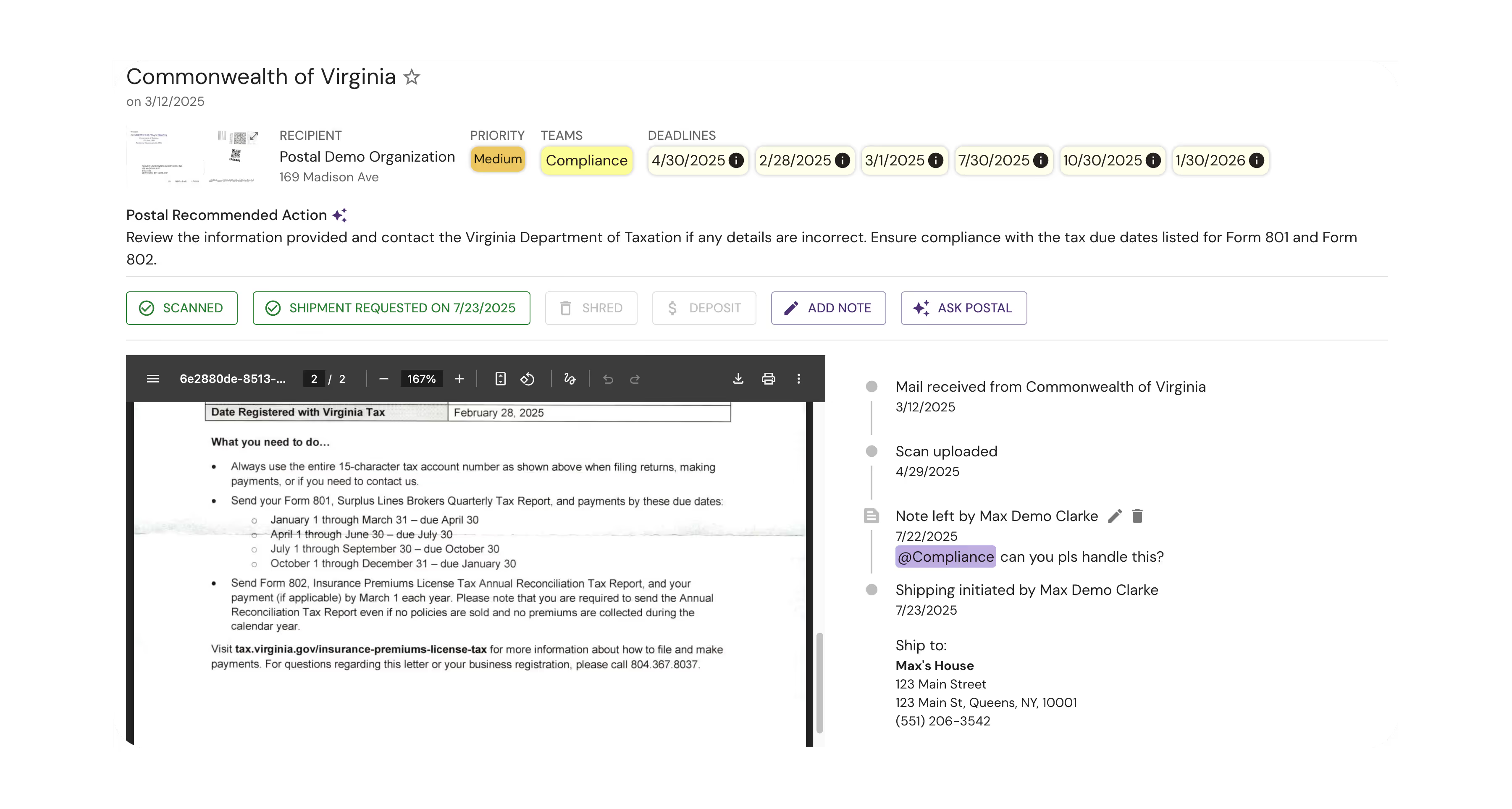
See deadlines at a glance
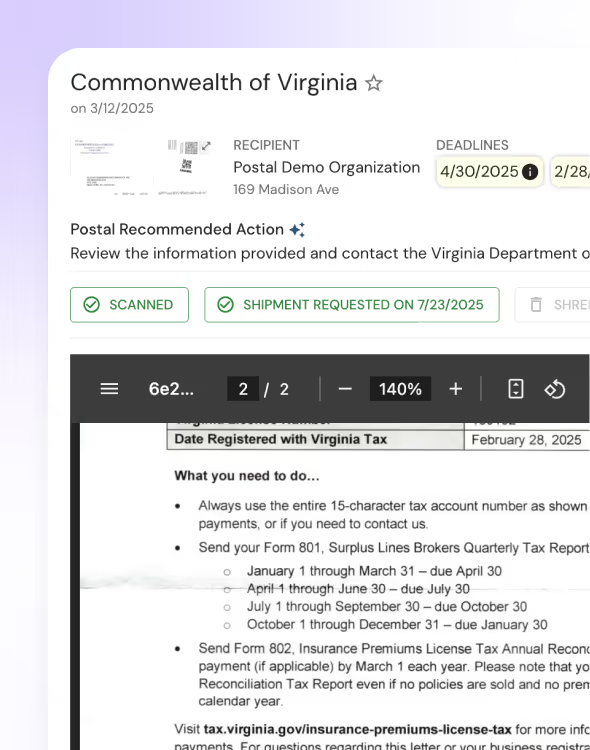
Postal’s advanced AI gives you an instant overview of all your compliance-related mail with next steps flagged for you.
- Due dates, penalties, and action extracted for you by AI.
- All your correspondence summarized and stored online.
- The right teammate notified every time mail is received.

Leave service of process to us
Hand off your compliance tasks to Postal with ease. Simply tag the Postal compliance team and they’ll make sure your compliance tasks and filings are handled accurately and on time.
- Stay compliant with changing laws and regulations
- Specialized in corporate licensing and insurance compliance
- Focus on your business and leave compliance to Postal

Secure and private mail handling
Protect your data with a secure virtual mailbox from Postal. Stringent security ensures that your data is encrypted, redacted when needed, and access controlled.
- Your data is protected at rest and in transit, so it’s never exposed as it moves through our systems.
- Postal runs redaction models on extracted text from documents, limiting the scope of data that large language models use to analyze your documents.
- Only the people who need it can reach your data, every action is logged, and everything is backed up to prevent data loss.

A registered agent is essential for businesses operating in Michigan, as it serves as the official point of contact between the company and the state. This agent receives important legal documents, such as tax notices and summons, ensuring that the business complies with state regulations. Having a registered agent helps maintain transparency and allows for timely responses to legal matters, which is crucial for the protection and longevity of the business.
In Michigan, every corporation and limited liability company (LLC) must designate a registered agent when filing their formation documents. This requirement aids regulatory communication and reinforces the business's credibility. Whether it's an individual resident or a business entity, the registered agent should have a physical address in Michigan and be available during standard business hours, ensuring that the company stays informed and compliant with state law.

When selecting a registered agent in Michigan, affordability is a crucial factor. Look for agents that offer transparent pricing structures with no hidden fees. Consider their overall value, including additional services like compliance reminders and document storage, to ensure you’re getting the best deal without compromising on quality.
Security is also paramount when choosing a registered agent. Ensure the agent has a solid reputation and robust measures in place to protect sensitive information. This includes secure handling of legal documents and data privacy policies, as any breach could lead to significant issues for your business.
Lastly, the ability to view your mail online is increasingly important for modern business operations. Select a registered agent that provides a user-friendly portal for accessing your documents and correspondence electronically. This feature not only enhances convenience but also allows for real-time management of essential paperwork, streamlining your business processes.
Michigan has over 983,000 small businesses, and roughly 82.3 percent of them run with no employees, almost exactly in line with the national figure.
Detroit's automotive legacy still shapes much of the state's economy, supporting a dense web of smaller parts manufacturers, tooling shops, and engineering firms that supply the larger carmakers. Grand Rapids has developed its own reputation in furniture manufacturing and a growing craft brewing scene, giving the western side of the state a distinct small business identity of its own.
Getting started means choosing a structure, usually an LLC or corporation, and filing with the Michigan Secretary of State. After that you line up any local permits and apply for an Employer Identification Number with the IRS.
Michigan splits its filing by entity type: corporations file an Annual Report, with reports due by May 15 each year, while LLCs file a separately named Annual Statement due earlier, by February 15. Foreign corporations and LLCs follow the same respective deadlines as domestic entities.
Both filings cost $25. Entities that fall behind get a two-year grace period before the state moves to dissolve them, and reinstatement after that requires settling all the back fees that accumulated.

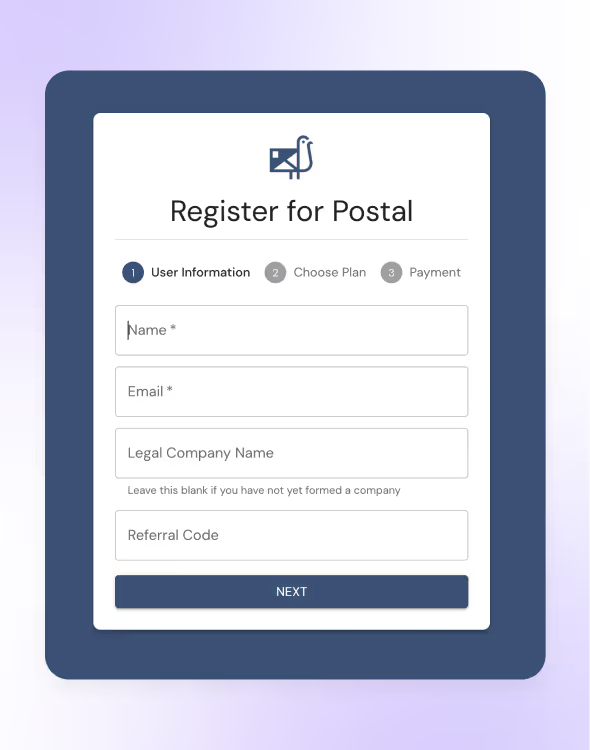
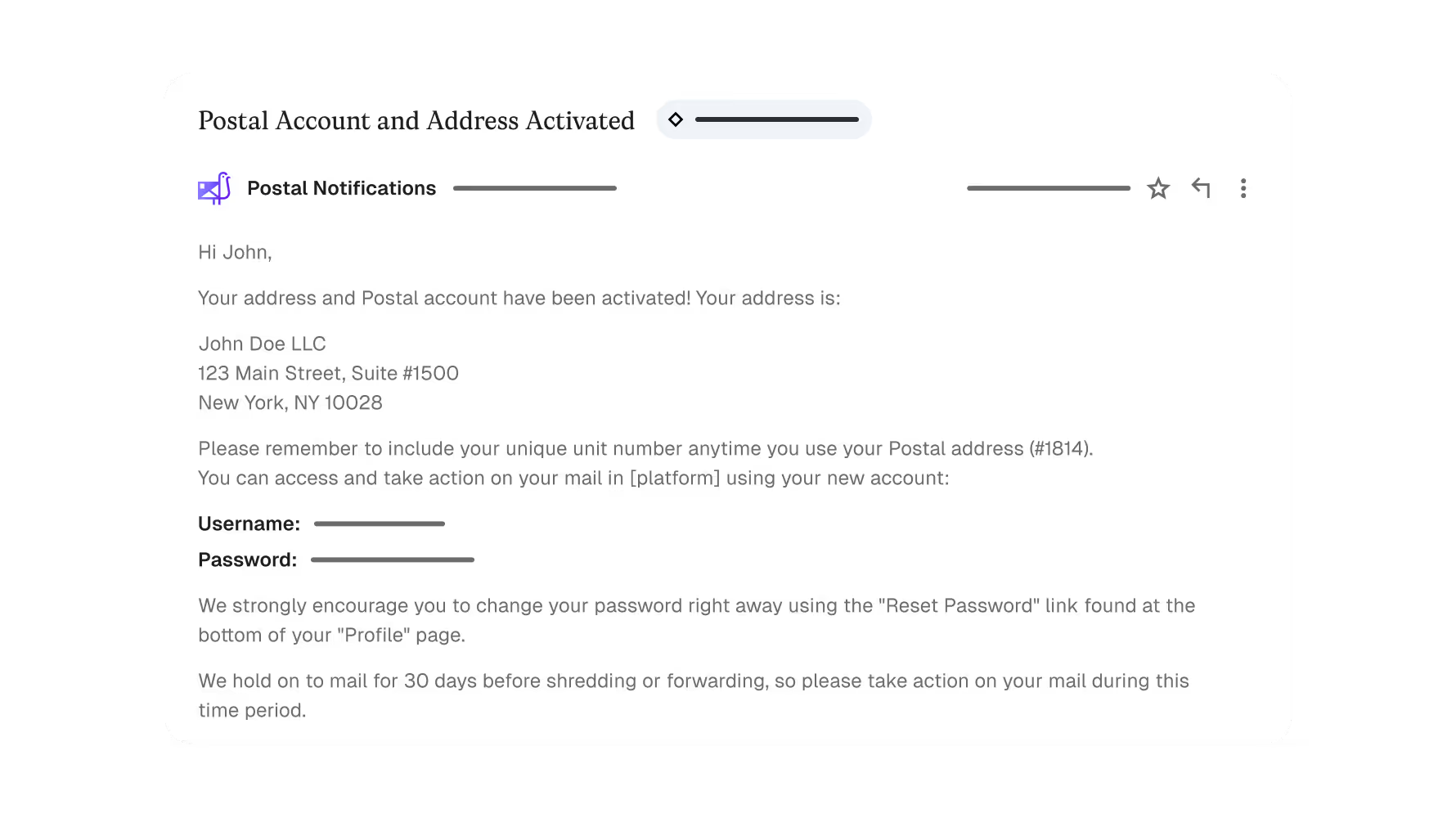
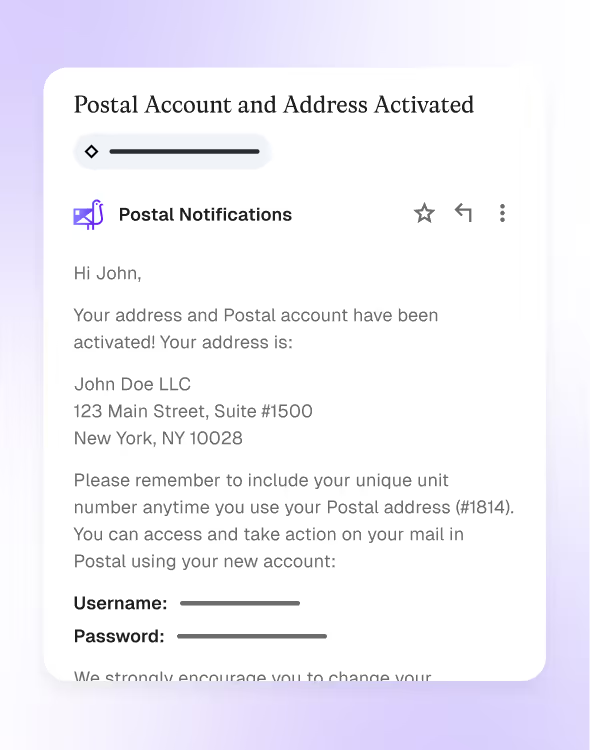
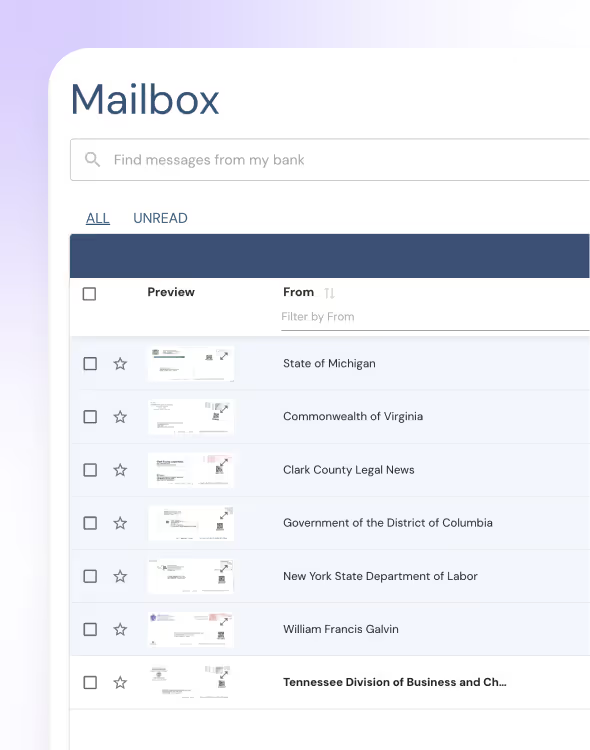
Manage your mail from anywhere
Receive scanned, summarized copies of your mail the day it’s received.
Put compliance on autopilot
If you need it, we’ll action your service of process mail for you.
Do Michigan corporations and LLCs file at the same time?
What does it cost to file in Michigan?
How long do I have before Michigan dissolves a delinquent entity?
How has Detroit's automotive legacy shaped the small business landscape?
Where does Michigan's small business population fall nationally?
Where do I file to form a Michigan business?
Available in all 50 states



- Security compliant
- Change of address guidance
- Friendly customer support