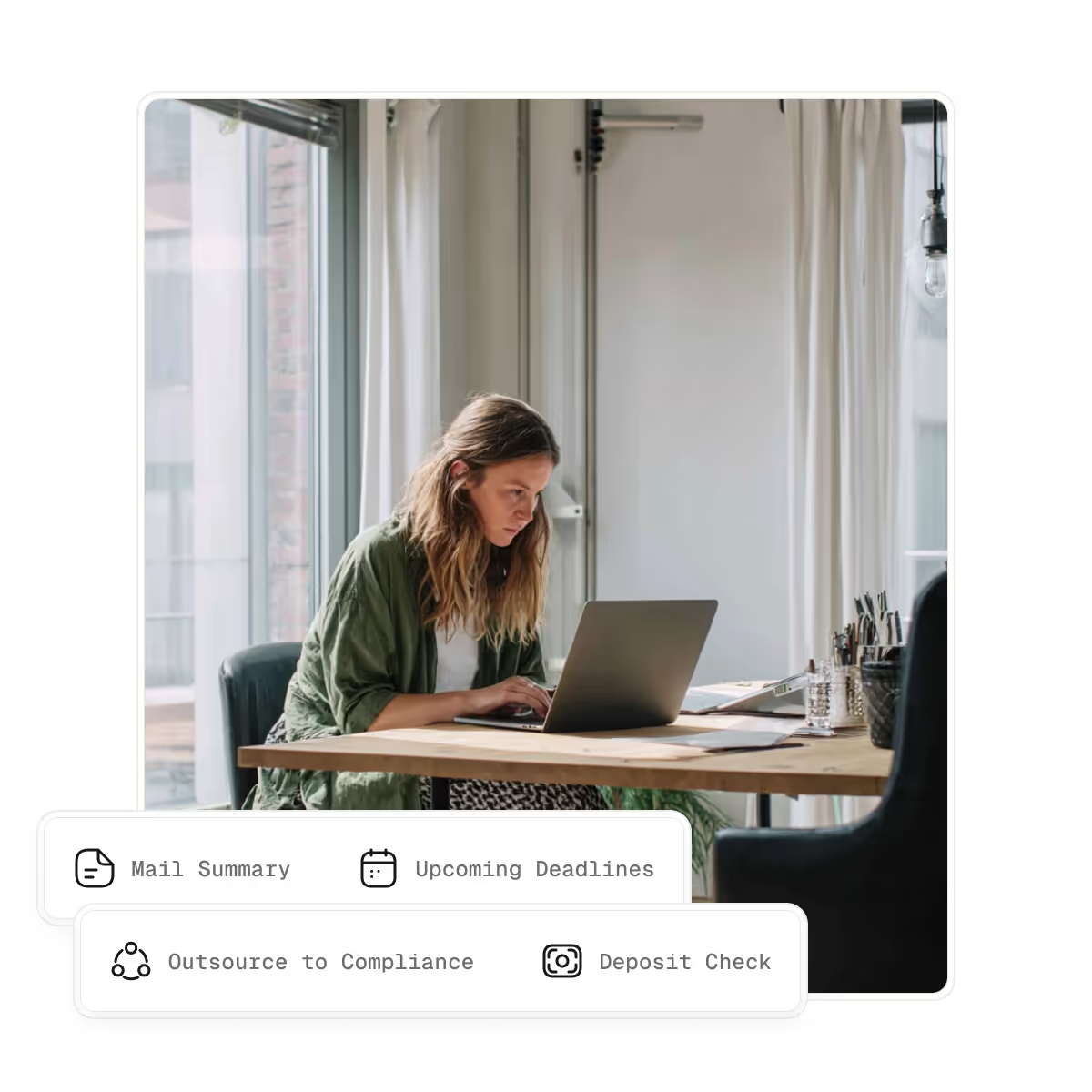

Secure document receipt
Recieve critical legal documents like lawsuits and tax notices without compromising your private address.

Access your mail online
See and manage your mail from anywhere. Get notifications for due dates and required actions for all your critical mail.

Automate compliance tasks
Stay focused and save time by handing off your compliance tasks to Postal's team of compliance experts.
12020 Shamrock Plaza #200,
Omaha, NE 68154

See deadlines at a glance
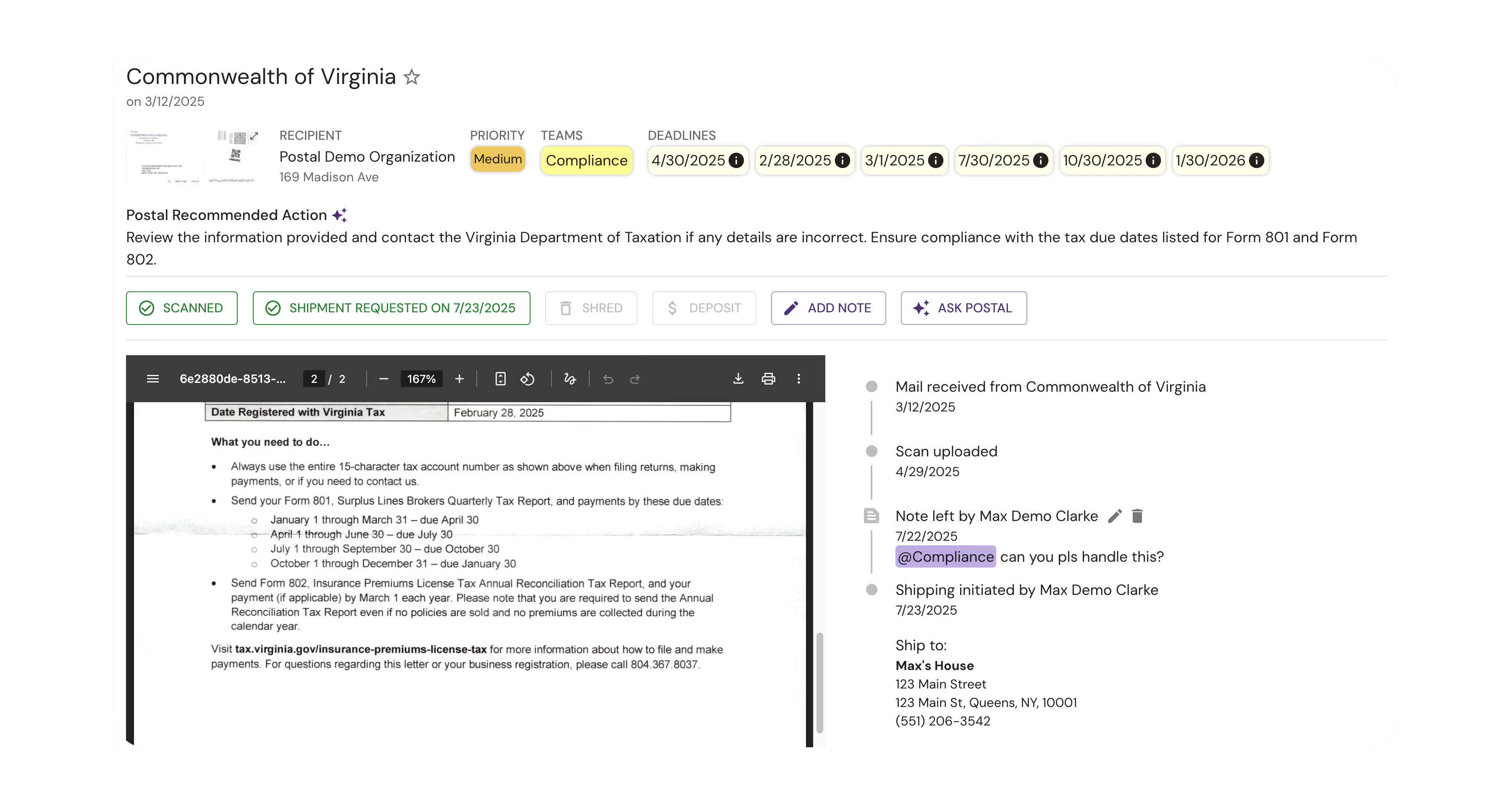
Postal’s advanced AI gives you an instant overview of all your compliance-related mail with next steps flagged for you.
- Due dates, penalties, and action extracted for you by AI.
- All your correspondence summarized and stored online.
- The right teammate notified every time mail is received.

Leave service of process to us
Hand off your compliance tasks to Postal with ease. Simply tag the Postal compliance team and they’ll make sure your compliance tasks and filings are handled accurately and on time.
- Stay compliant with changing laws and regulations
- Specialized in corporate licensing and insurance compliance
- Focus on your business and leave compliance to Postal

Secure and private mail handling
Protect your data with a secure virtual mailbox from Postal. Stringent security ensures that your data is encrypted, redacted when needed, and access controlled.
- Your data is protected at rest and in transit, so it’s never exposed as it moves through our systems.
- Postal runs redaction models on extracted text from documents, limiting the scope of data that large language models use to analyze your documents.
- Only the people who need it can reach your data, every action is logged, and everything is backed up to prevent data loss.

In Nebraska, having a registered agent is essential for any business entity, such as corporations or limited liability companies (LLCs). A registered agent acts as the official point of contact for legal documents, tax notices, and other important communications from the state. This ensures that businesses receive timely notifications, which is crucial for maintaining compliance with state regulations and avoiding penalties.
Furthermore, the registered agent must have a physical address in Nebraska, providing a reliable means for the state to reach the business during legal proceedings or official matters. This requirement helps maintain transparency and accountability within the business ecosystem, ensuring that entities can be reliably contacted if necessary. Having a registered agent is not just a legal formality but a critical component for effective business operations in Nebraska.

When selecting a registered agent in Nebraska, affordability is crucial. Compare the fees charged by different agents to ensure you find a service that fits within your budget without compromising on quality. Look for agents that provide transparent pricing without hidden fees. This way, you can avoid any surprises down the line while getting the necessary services.
Security is another essential factor. Your registered agent will handle important legal documents, so it’s vital that they have robust privacy measures in place. Ensure the agent has a solid reputation for safeguarding client information and is compliant with state requirements. This protection helps prevent identity theft and unauthorized access to your business data.
Lastly, the ability to access your mail online can significantly enhance your experience. Many registered agents offer digital platforms that allow you to view your mail and notifications anytime. This convenience ensures you stay informed and organized, enabling timely responses to legal matters. Look for agents with a user-friendly interface and reliable customer support for any questions or concerns.
Nebraska is home to over 193,000 small businesses, with about 77.6 percent running with no staff, well below the national average, so the state has a fair number more firms with employees than most.
Omaha has built a notable concentration of insurance and financial services companies, including Berkshire Hathaway's headquarters, which has helped foster a supporting network of smaller advisory and professional services firms. Agriculture, particularly cattle and grain, continues to anchor much of the state's economy outside its two largest cities.
Forming a business means choosing an LLC or corporation and filing with the Nebraska Secretary of State. Then it is local licensing and an Employer Identification Number from the IRS.
Nebraska splits its filing by entity type and timing: corporations file a Biennial Occupation Tax Report, with reports due by March 1 in even years, becoming delinquent after April 15, while LLCs file a separate Biennial Report due April 1 in odd years, becoming delinquent after June 16. Foreign corporations and foreign LLCs both pay considerably more than their domestic counterparts, though the due dates remain the same across the board.
Domestic corporations pay $26, while foreign corporations pay $78. Domestic LLCs pay $25 online or $30 by paper, while foreign LLCs pay $52. Either entity type risks administrative dissolution if the filing goes unaddressed.

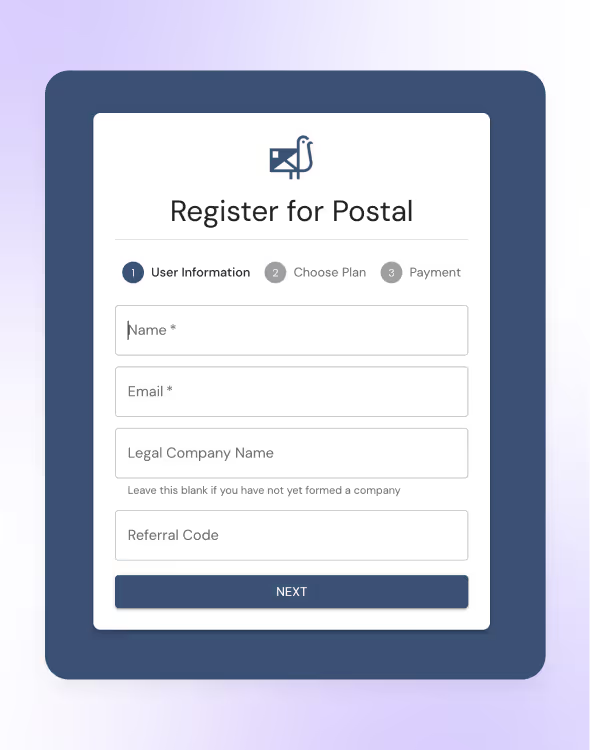
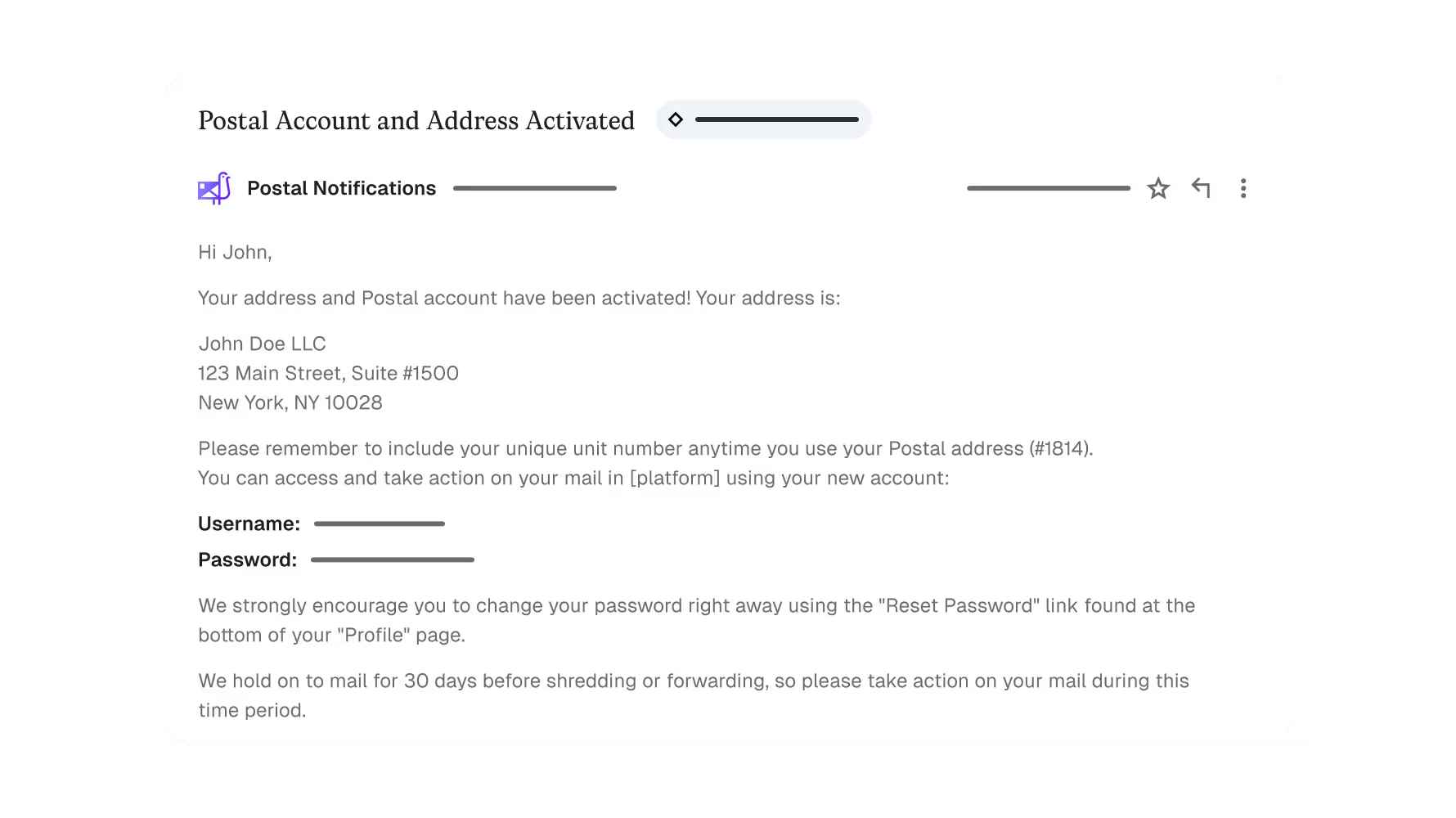
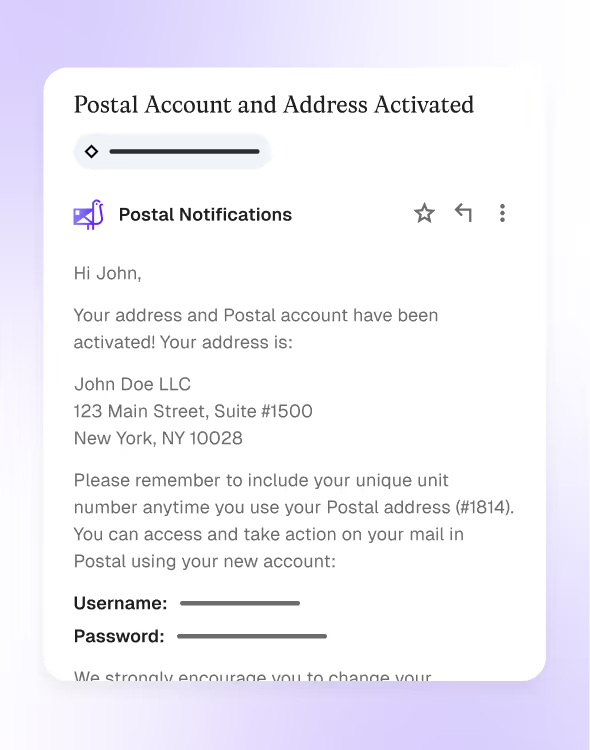
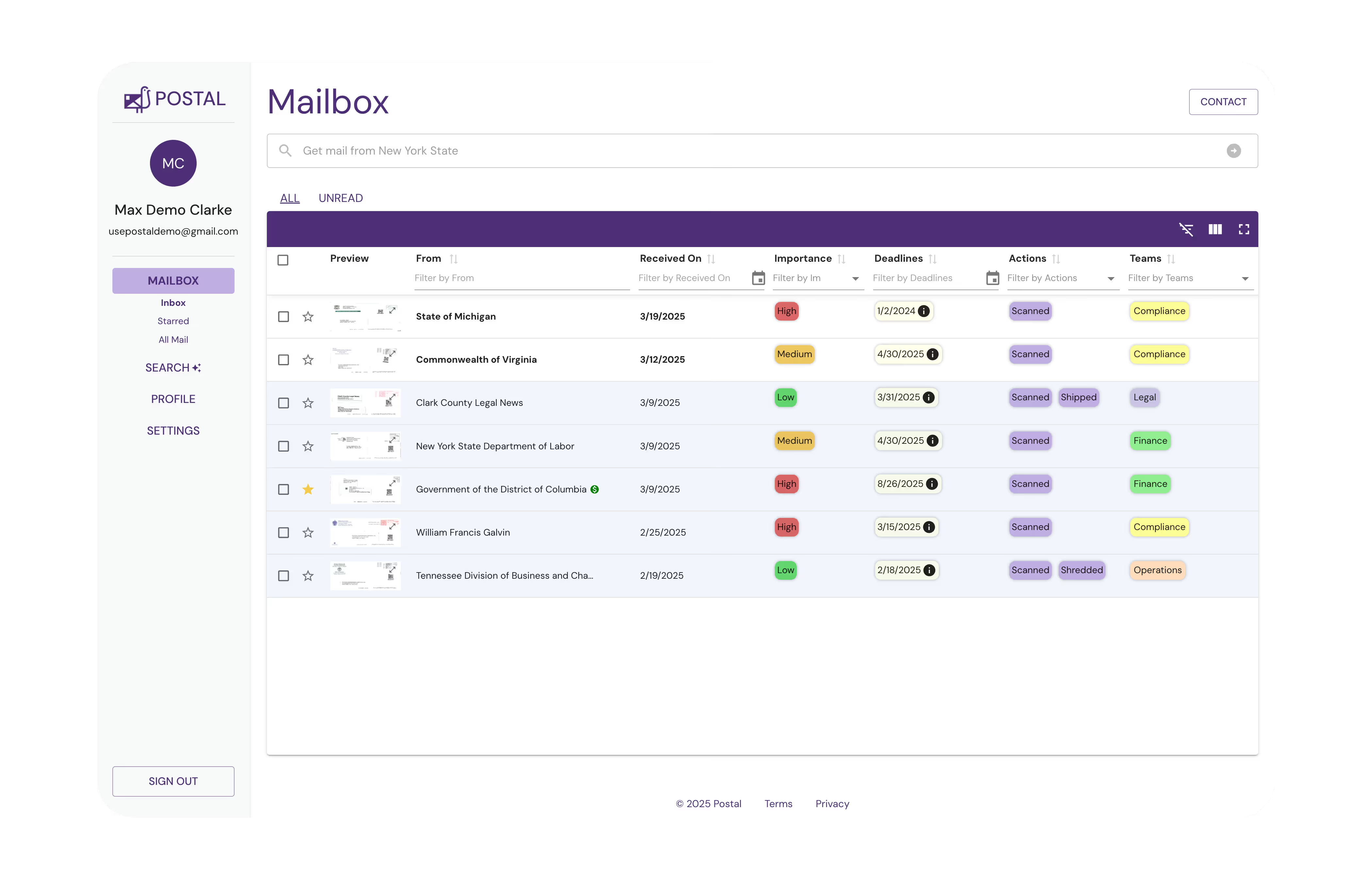
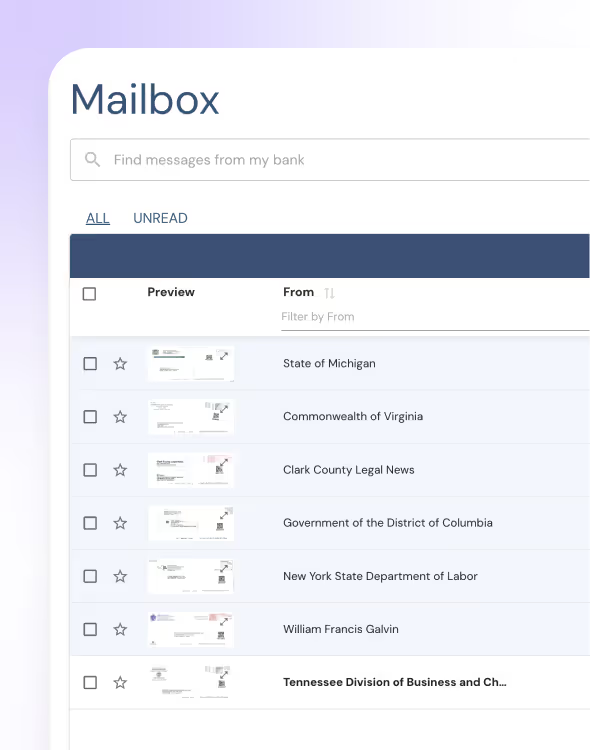
Manage your mail from anywhere
Receive scanned, summarized copies of your mail the day it’s received.
Put compliance on autopilot
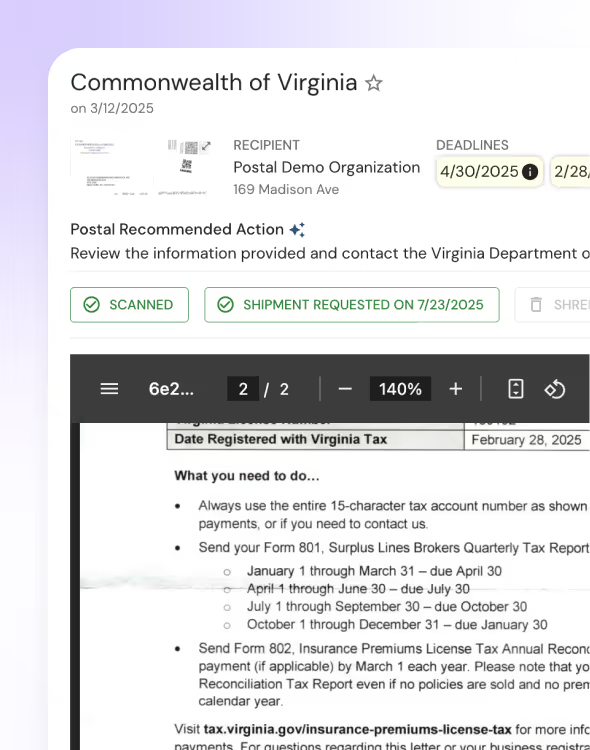
If you need it, we’ll action your service of process mail for you.
How does Nebraska's biennial filing schedule work?
Is there a cost difference between domestic and foreign entities in Nebraska?
What happens if the filing goes unaddressed?
What role does Omaha play in Nebraska's economy?
How does Nebraska's small business hiring rate compare nationally?
Where do I register a new business in Nebraska?
Available in all 50 states



- Security compliant
- Change of address guidance
- Friendly customer support