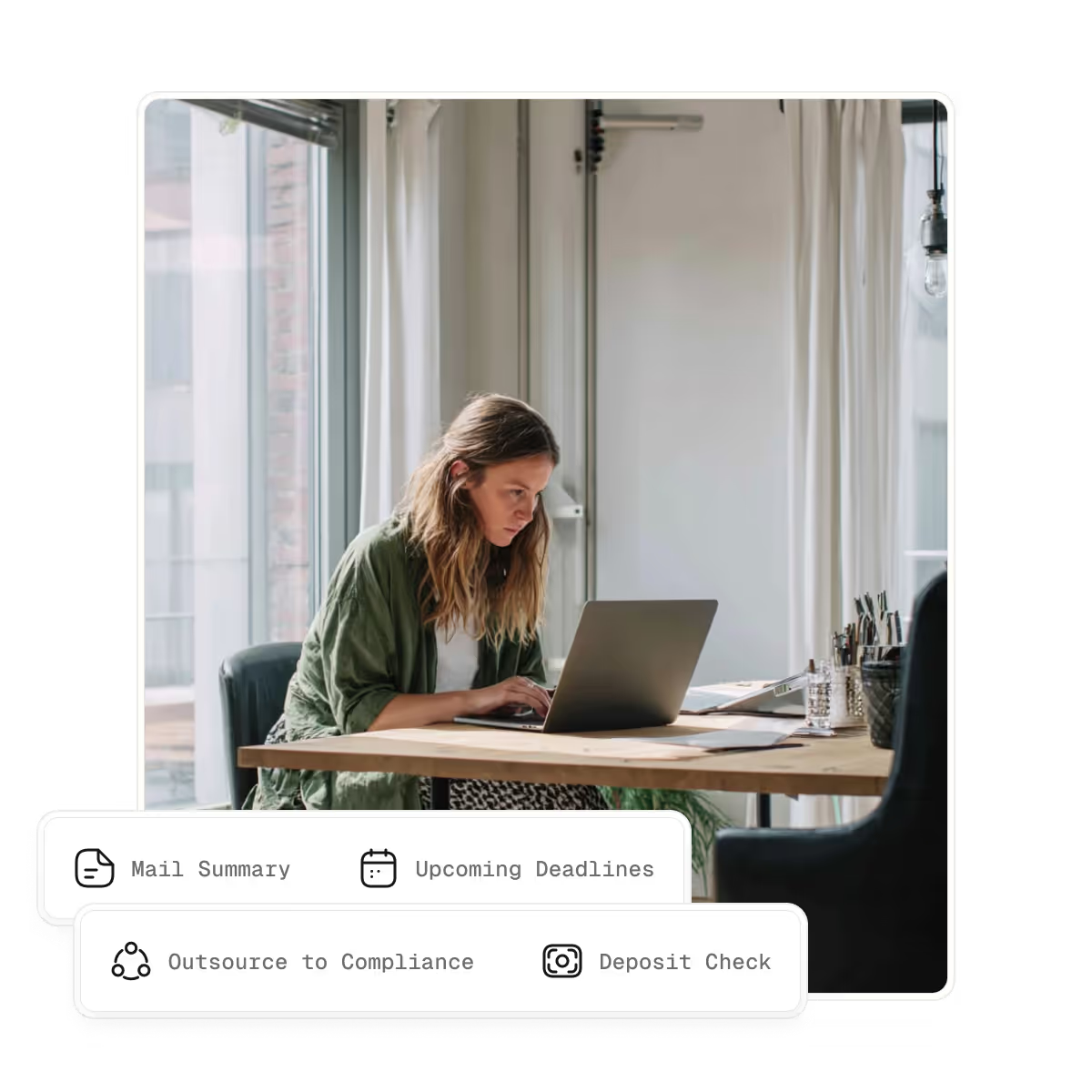

Secure document receipt
Recieve critical legal documents like lawsuits and tax notices without compromising your private address.

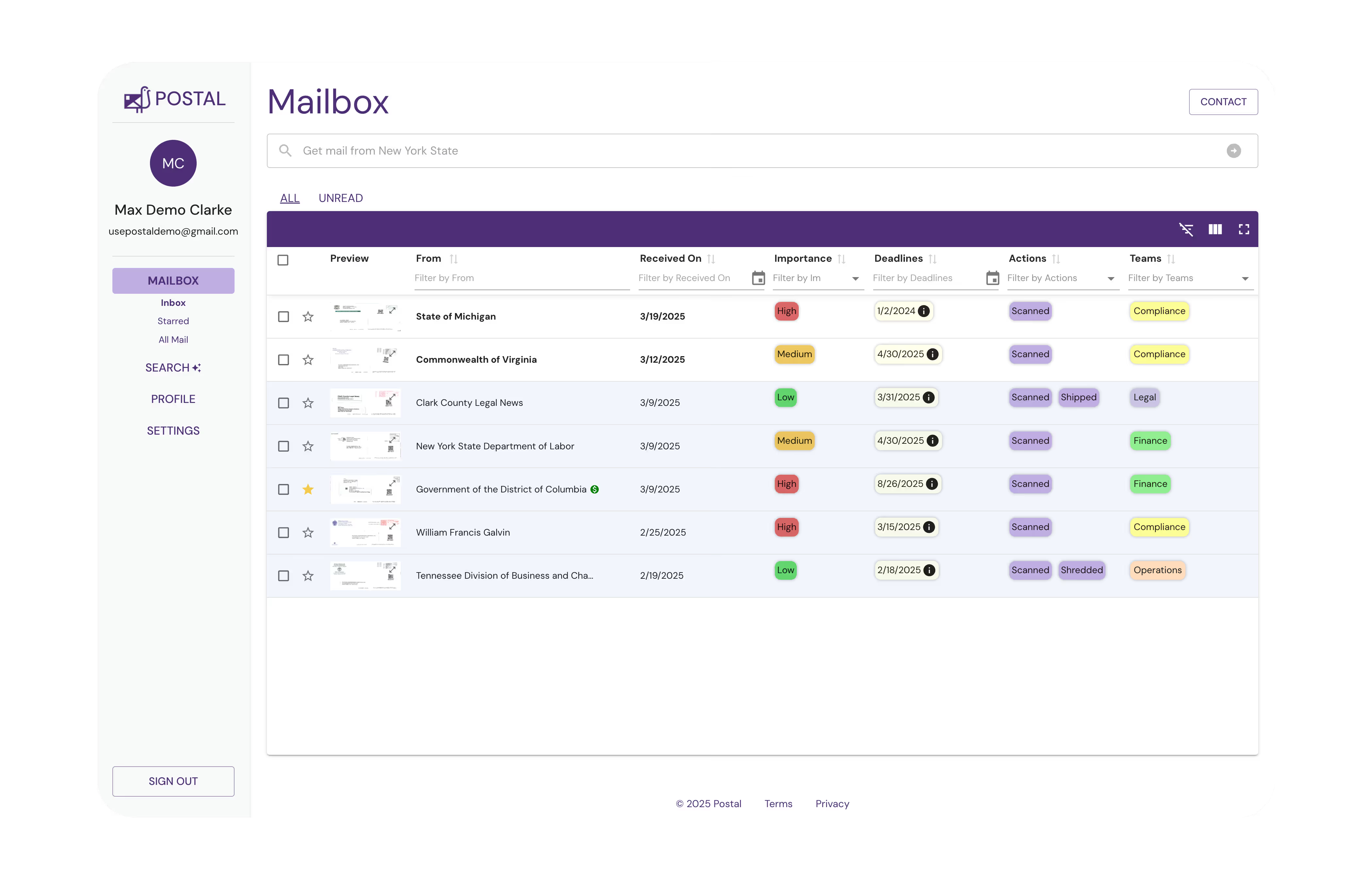
Access your mail online
See and manage your mail from anywhere. Get notifications for due dates and required actions for all your critical mail.

Automate compliance tasks
Stay focused and save time by handing off your compliance tasks to Postal's team of compliance experts.
5200 Willson Road #150,
Edina, MN 55424

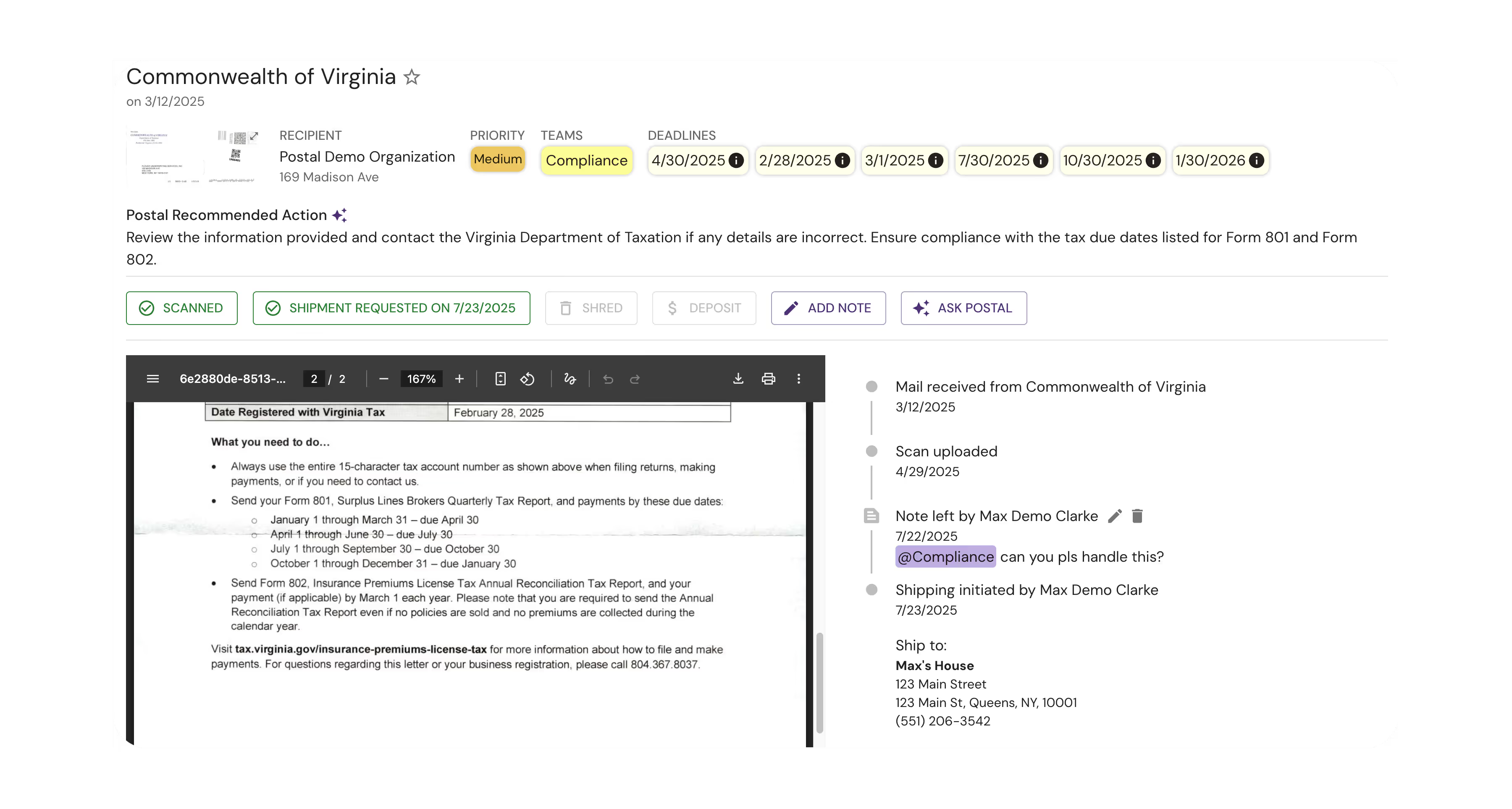
See deadlines at a glance
Postal’s advanced AI gives you an instant overview of all your compliance-related mail with next steps flagged for you.
- Due dates, penalties, and action extracted for you by AI.
- All your correspondence summarized and stored online.
- The right teammate notified every time mail is received.

Leave service of process to us
Hand off your compliance tasks to Postal with ease. Simply tag the Postal compliance team and they’ll make sure your compliance tasks and filings are handled accurately and on time.
- Stay compliant with changing laws and regulations
- Specialized in corporate licensing and insurance compliance
- Focus on your business and leave compliance to Postal

Secure and private mail handling
Protect your data with a secure virtual mailbox from Postal. Stringent security ensures that your data is encrypted, redacted when needed, and access controlled.
- Your data is protected at rest and in transit, so it’s never exposed as it moves through our systems.
- Postal runs redaction models on extracted text from documents, limiting the scope of data that large language models use to analyze your documents.
- Only the people who need it can reach your data, every action is logged, and everything is backed up to prevent data loss.

In Minnesota, having a registered agent is necessary for businesses, including corporations and limited liability companies (LLCs). A registered agent acts as the official point of contact for legal documents, tax notifications, and government communications. This requirement ensures that the state can easily reach the business for essential matters, such as service of process in legal proceedings. A reliable registered agent helps maintain compliance with state laws, safeguarding the business's legal standing.
Choosing a registered agent can be strategic for business owners who may not have a physical office in Minnesota. It allows owners the flexibility to focus on their operations while ensuring that important documents are handled promptly and professionally. By designating an agent, businesses also avoid potential legal complications that could arise from missed communications, which could lead to penalties or default judgments.

When selecting a registered agent in Minnesota, affordability is a crucial factor. Many service providers offer various pricing structures, so it's essential to compare costs and ensure there are no hidden fees. Look for a registered agent that provides clear pricing and includes essential services without additional charges, allowing you to budget effectively while meeting legal requirements.
Security should also be a top priority. The registered agent will handle sensitive documents, including legal notices. Choose a provider with a proven track record of maintaining confidentiality and robust security measures such as data encryption and secure storage solutions. This ensures that your private information remains protected from unauthorized access.
Lastly, the ability to access your mail online is increasingly important in today’s digital world. A good registered agent should offer a user-friendly online portal where you can view and manage your documents securely. This feature provides immediate access to important paperwork, allowing you to stay organized and respond quickly to any legal matters that may arise. An efficient online system enhances communication and streamlines your business operations.
Minnesota has over 560,000 small businesses, and about 78.9 percent of them run with no staff, noticeably below the national average. That suggests a slightly larger share of Minnesota's small businesses bring on employees.
The Minneapolis-Saint Paul area is home to a large concentration of Fortune 500 corporate headquarters relative to its size, which has helped build a deep bench of smaller consulting, design, and professional services firms that support those larger companies. The state's medical device industry, centered around companies like Medtronic, has also fostered a notable cluster of smaller health technology businesses.
Forming a business means choosing an LLC or corporation and filing with the Minnesota Secretary of State. Then it is a matter of local licensing and an Employer Identification Number from the IRS.
Minnesota calls its filing an Annual Renewal, and it applies to corporations and LLCs alike, with reports due by December 31 each year. Foreign LLCs file the same free renewal as domestic ones, though foreign corporations may also owe a separate annual license fee tied to their Minnesota taxable net income, with a $40 minimum, on top of the renewal itself.
The renewal itself is free when filed online for both entity types. Missing the December 31 deadline leads to involuntary dissolution or revocation, a faster and less forgiving timeline than in many other states.

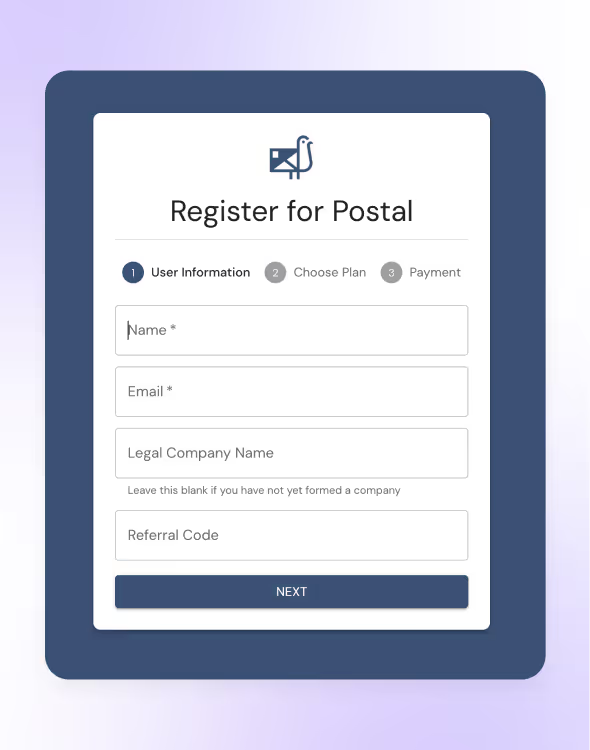
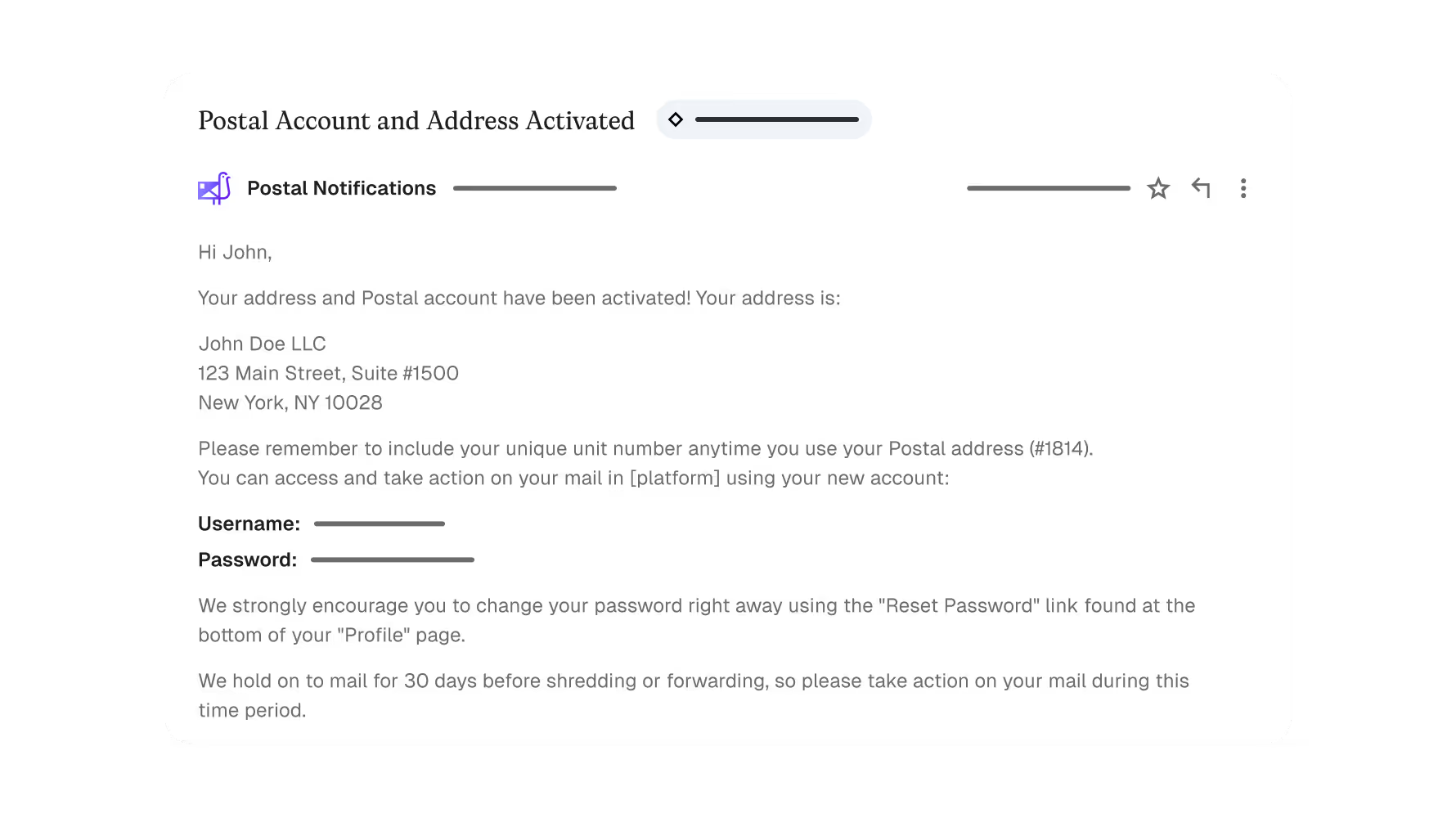
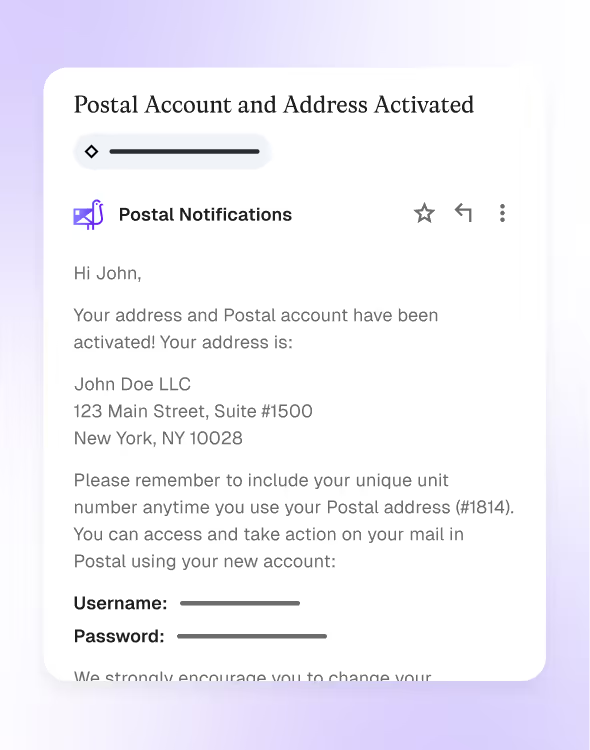
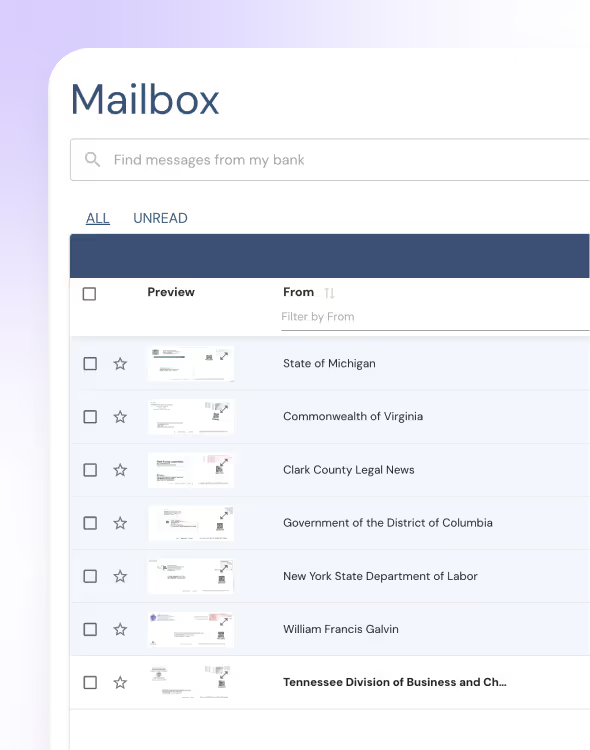
Manage your mail from anywhere
Receive scanned, summarized copies of your mail the day it’s received.
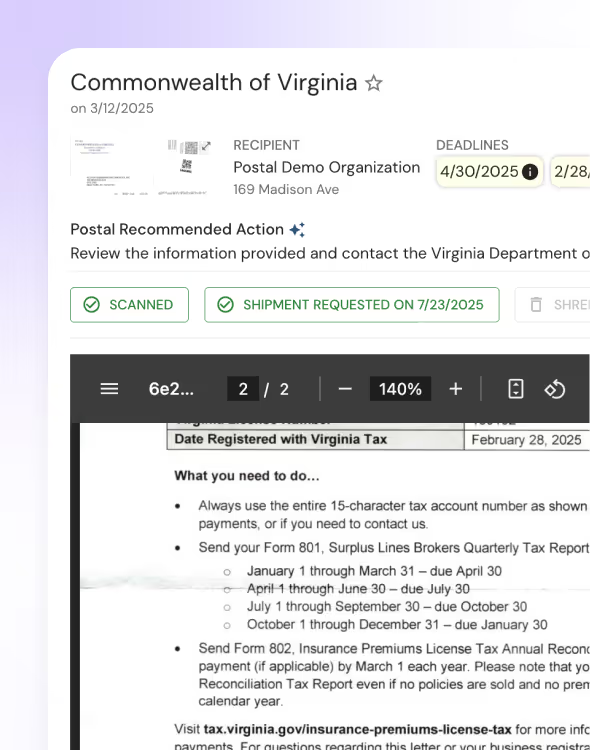
Put compliance on autopilot
If you need it, we’ll action your service of process mail for you.
Is there a fee for Minnesota's Annual Renewal?
When is the Annual Renewal due, and what happens if I miss it?
Why does Minneapolis-Saint Paul attract so many small professional services firms?
What share of Minnesota's small businesses bring on employees?
Do foreign and domestic LLCs pay the same fee in Minnesota?
How do I form a business in Minnesota?
Available in all 50 states



- Security compliant
- Change of address guidance
- Friendly customer support