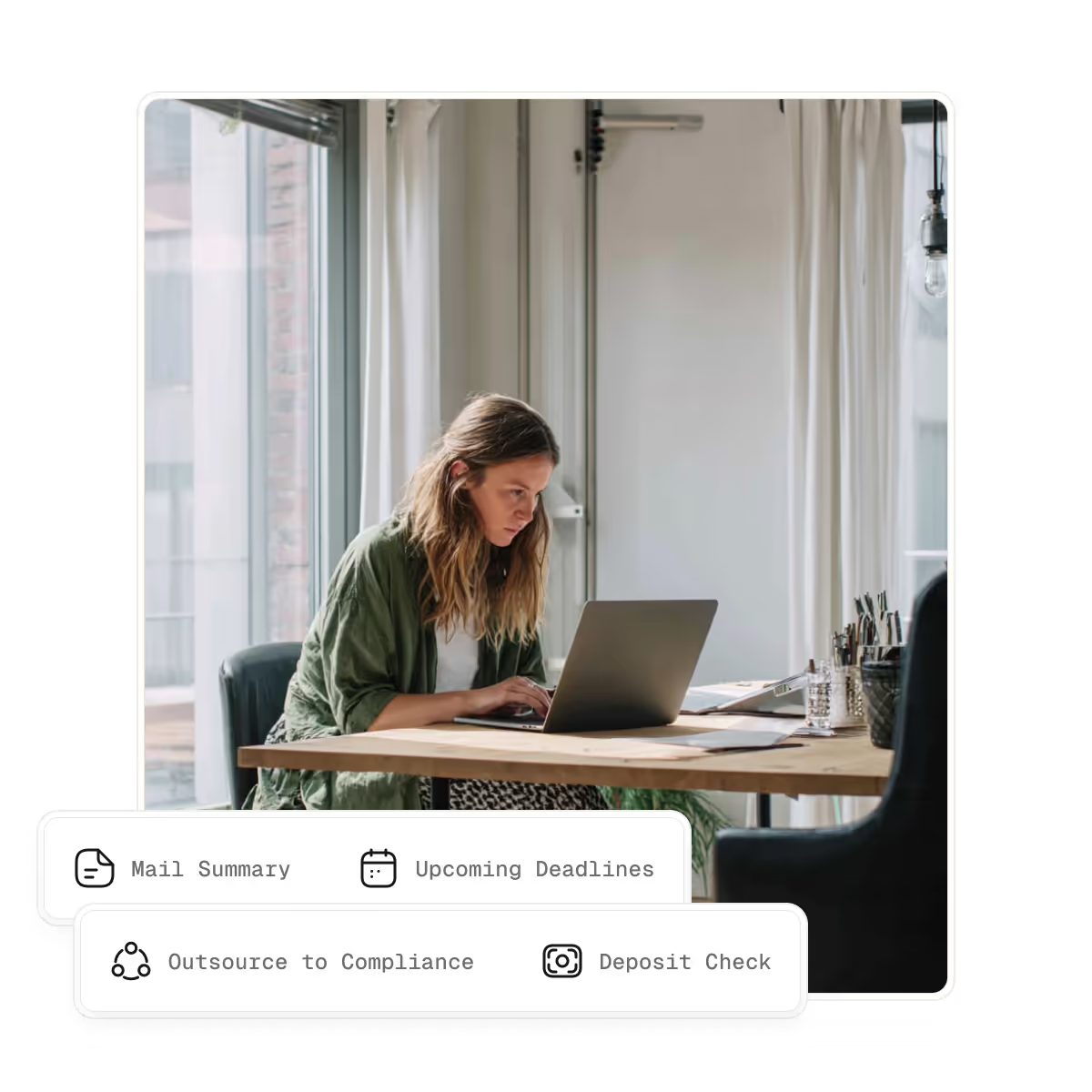

Secure document receipt
Recieve critical legal documents like lawsuits and tax notices without compromising your private address.

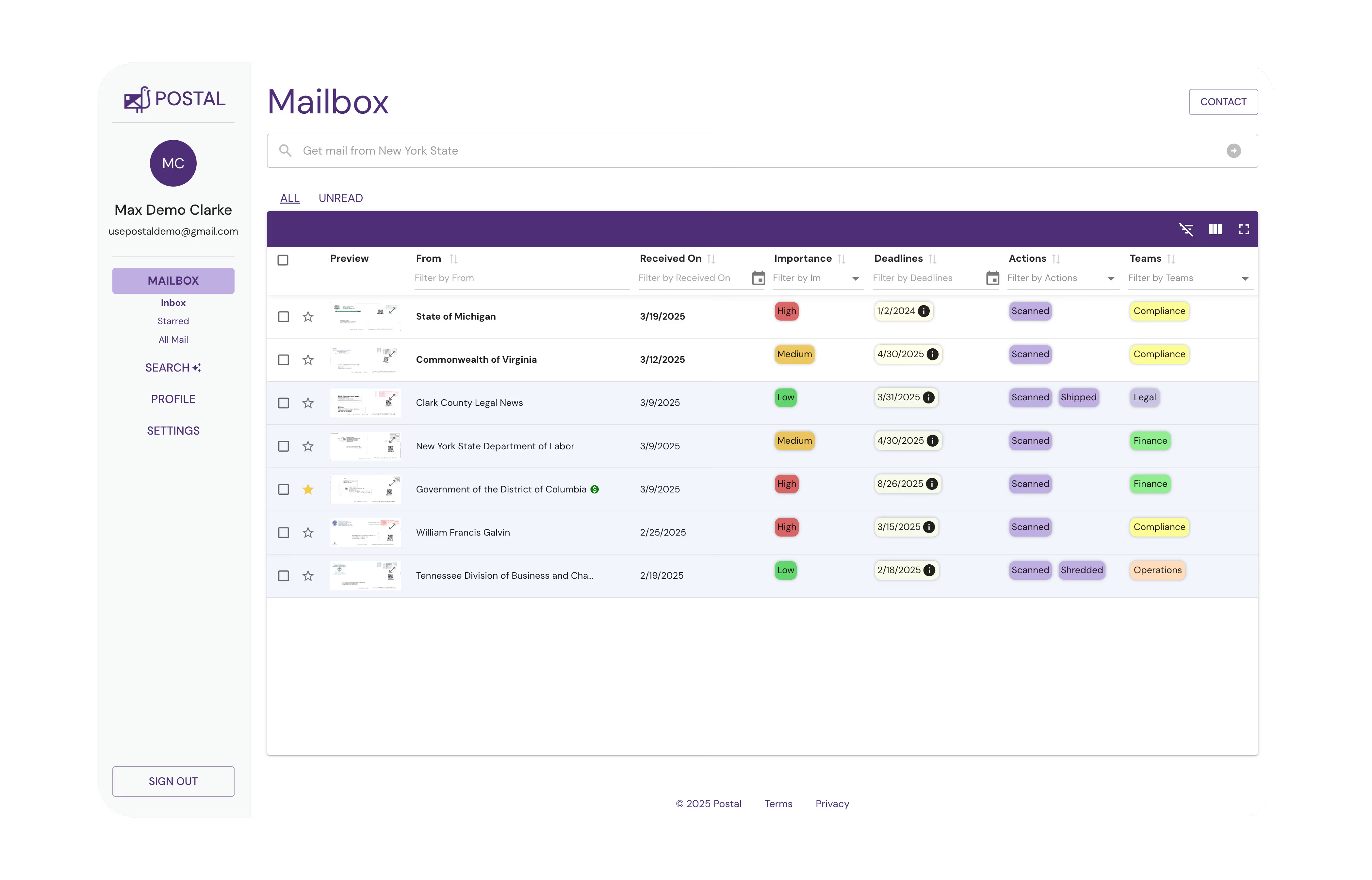
Access your mail online
See and manage your mail from anywhere. Get notifications for due dates and required actions for all your critical mail.

Automate compliance tasks
Stay focused and save time by handing off your compliance tasks to Postal's team of compliance experts.
1032 E. Brandon Blvd,
Brandon, FL 33511

See deadlines at a glance
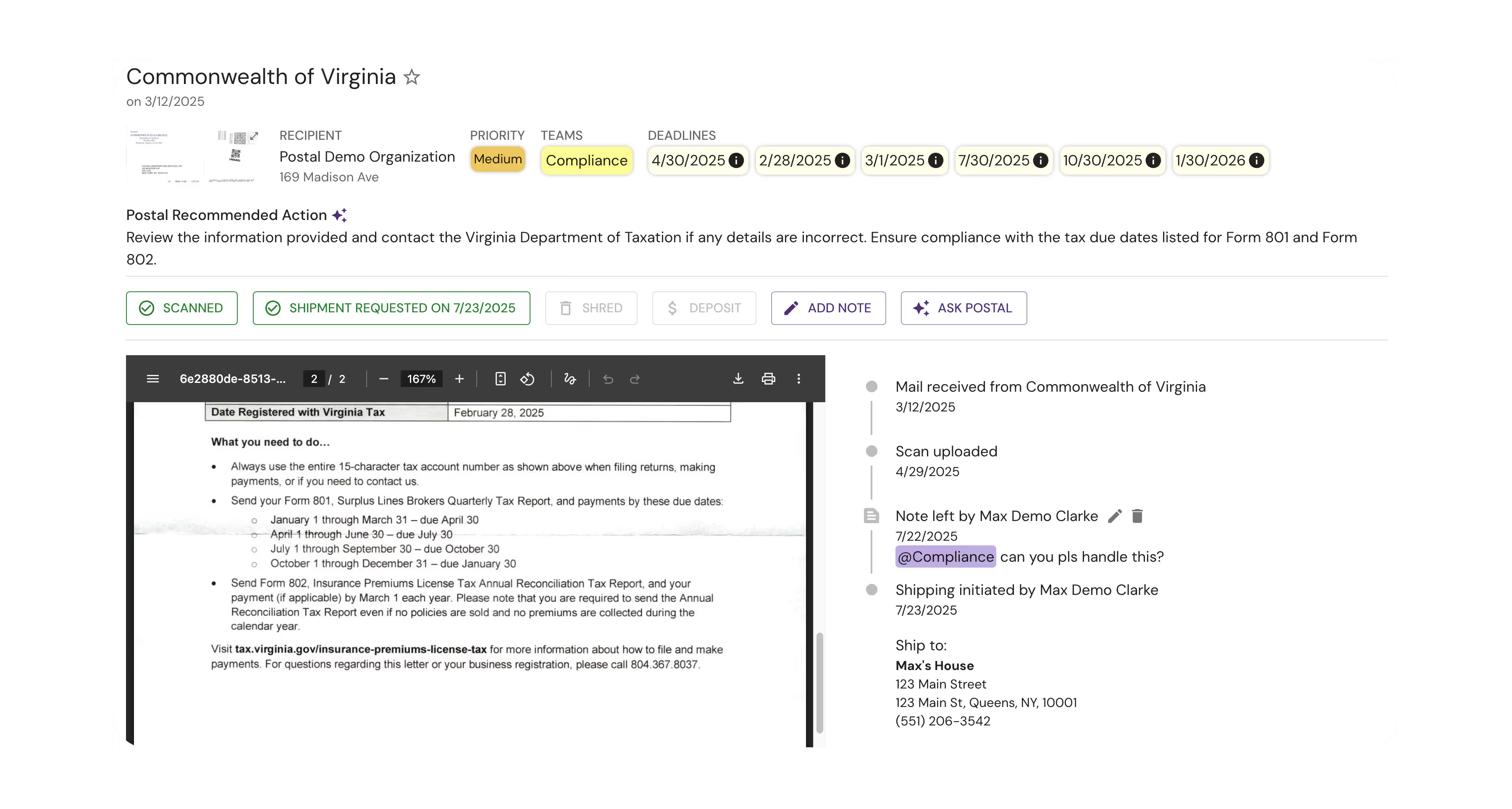
Postal’s advanced AI gives you an instant overview of all your compliance-related mail with next steps flagged for you.
- Due dates, penalties, and action extracted for you by AI.
- All your correspondence summarized and stored online.
- The right teammate notified every time mail is received.

Leave service of process to us
Hand off your compliance tasks to Postal with ease. Simply tag the Postal compliance team and they’ll make sure your compliance tasks and filings are handled accurately and on time.
- Stay compliant with changing laws and regulations
- Specialized in corporate licensing and insurance compliance
- Focus on your business and leave compliance to Postal

Secure and private mail handling
Protect your data with a secure virtual mailbox from Postal. Stringent security ensures that your data is encrypted, redacted when needed, and access controlled.
- Your data is protected at rest and in transit, so it’s never exposed as it moves through our systems.
- Postal runs redaction models on extracted text from documents, limiting the scope of data that large language models use to analyze your documents.
- Only the people who need it can reach your data, every action is logged, and everything is backed up to prevent data loss.

In Florida, having a registered agent is a legal requirement for businesses, including corporations and limited liability companies (LLCs). A registered agent acts as an official point of contact for the business, receiving important legal documents, tax notices, and other official communications. This ensures that the business can respond promptly to legal matters, maintaining good standing with state authorities.
Choosing a reliable registered agent is crucial for effective communication and compliance with state regulations. Without a registered agent, a business risks missing critical deadlines or failing to receive important notifications. This oversight can lead to penalties, loss of good standing, or even dissolution of the business. Therefore, appointing a registered agent is an essential step in establishing and maintaining a business in Florida.

When selecting a registered agent in Florida, affordability is a key consideration. Look for services that offer transparent pricing without hidden fees. Compare packages to ensure you are getting the best value, particularly for small businesses that may have tight budgets. Also, inquire about any additional costs that might arise, such as fees for forwarding mail or maintaining compliance.
Security is another crucial factor. Your registered agent will handle sensitive documents, so it's essential to choose a company with robust data protection measures. Verify that they have secure storage and encryption protocols in place to safeguard your information. A reputable registered agent should also have a solid track record and positive customer reviews regarding safety and reliability.
The ability to view your mail online is an important modern convenience. A registered agent offering a user-friendly online portal allows you to access important documents quickly and efficiently. This feature can streamline your business operations by keeping you informed without the need for physical mail. Ensure the agent you choose provides timely notifications and a reliable digital interface for easy access to your correspondence.
Florida is home to over 3,485,000 small businesses, the third highest total of any state. About 85.1 percent of them run with no employees, nearly 3 points above the national average, reflecting a large population of freelancers, contractors, and solo operators across the state.
Florida has built a reputation as one of the more tax friendly states for small business owners, with no personal income tax and a relatively low corporate tax rate. Miami has emerged as a notable hub for international trade, finance, and a growing technology scene, while Orlando and Tampa continue to anchor tourism, hospitality, and logistics.
To set up a business in Florida, you choose an LLC or corporation and file with the Florida Secretary of State. After that, you secure any required local permits and apply for an Employer Identification Number from the IRS.
Florida requires both corporations and LLCs to file an Annual Report, with reports due by May 1, in a filing window that opens January 1. Foreign corporations and LLCs file on the identical schedule and fee structure as domestic entities.
Corporations pay $150 and LLCs pay $138.75. A late filing brings a steep $400 penalty regardless of entity type, and if the report still isn't filed by the third Friday in September, the state moves to dissolve the business.

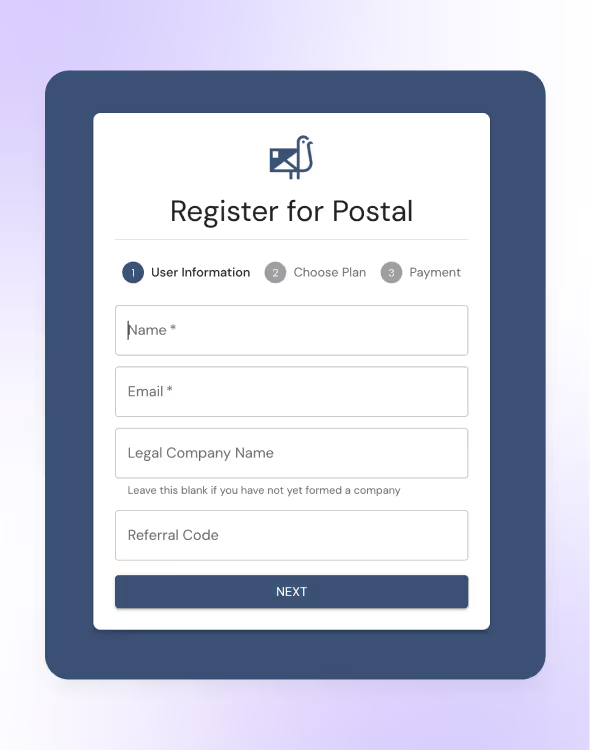
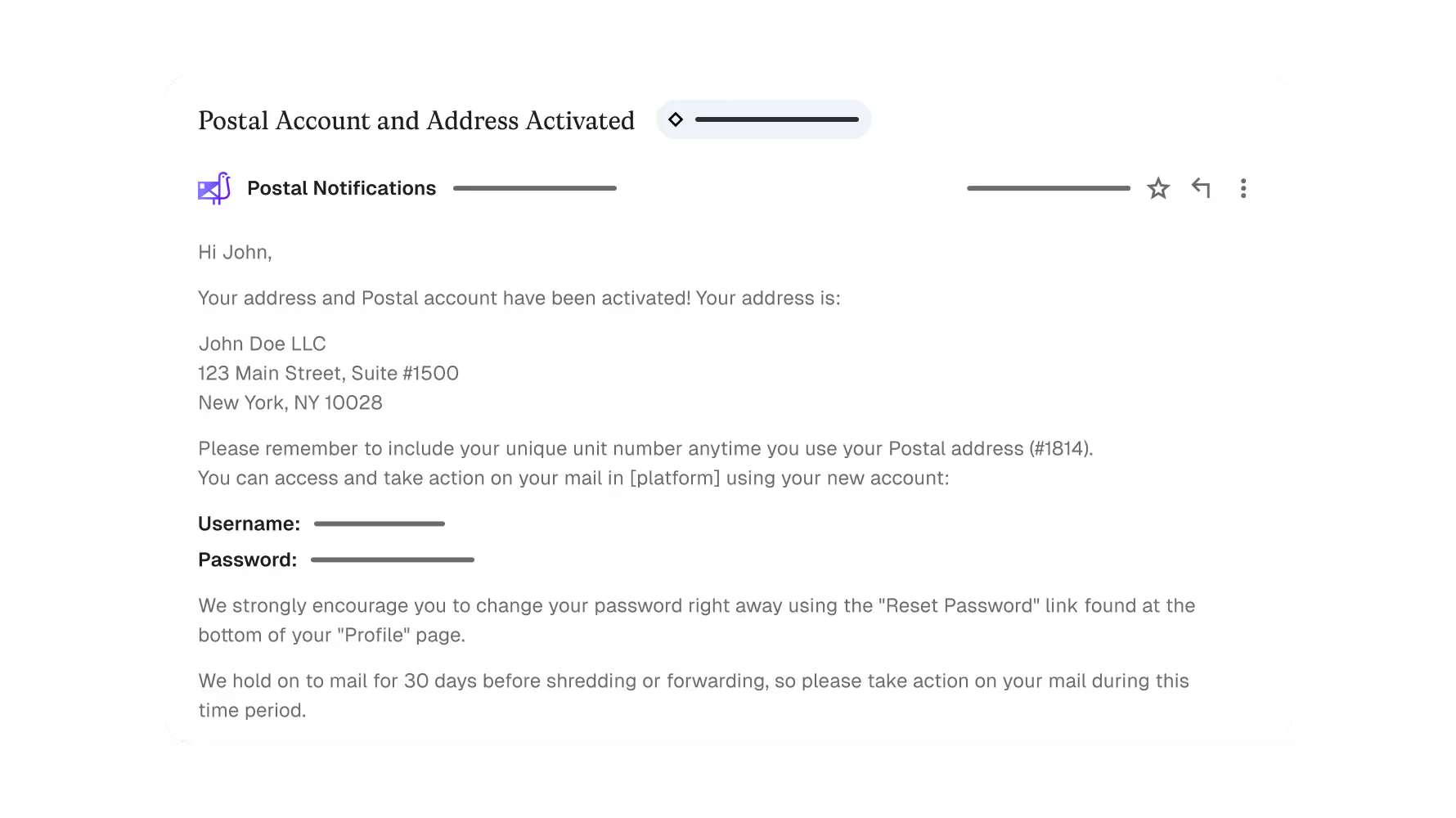
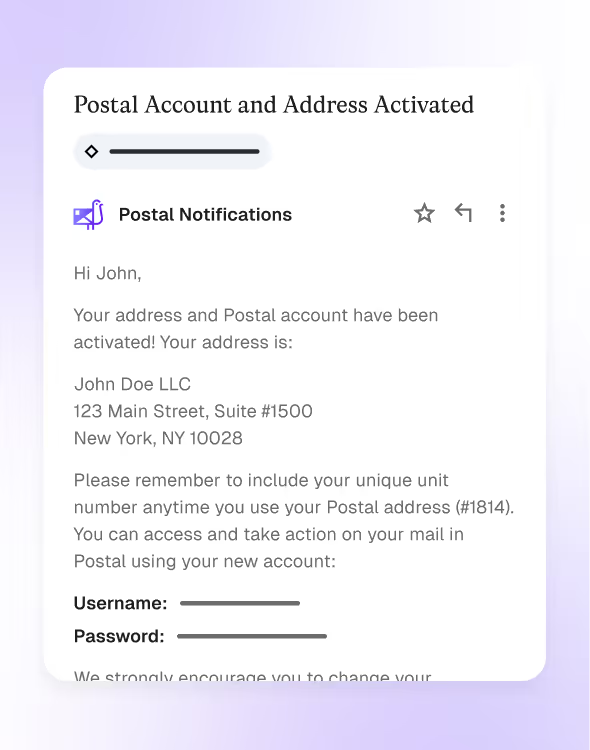
Manage your mail from anywhere
Receive scanned, summarized copies of your mail the day it’s received.
Put compliance on autopilot
If you need it, we’ll action your service of process mail for you.
How tax-friendly is Florida for small business owners?
When is the Annual Report due, and what does it cost?
What's the penalty for filing late in Florida?
How large is Florida's small business base?
What are Florida's major business hubs?
Where do I file to form a business in Florida?
Available in all 50 states


- Security compliant
- Change of address guidance
- Friendly customer support